Related Articles
- The Influence of Urban Legends: How Folklore Shapes Investor Behavior in Today's Financial Landscape
- The Role of Personal Narratives: How Your Story Shapes Investment Choices and Risk Tolerance
- The Ripple Effect: How Social Media Influencers Steer Investor Sentiment in Unexpected Ways
- Beneath the Surface: Investigating the Silent Influence of Underground Economies on Legitimate Market Trends
- Navigating the Bizarre: The Influence of Esotericism on Modern Investment Strategies and Market Speculation
- Rethinking Risk: The Surprising Link Between Urban Architecture and Financial Instability in Emerging Markets
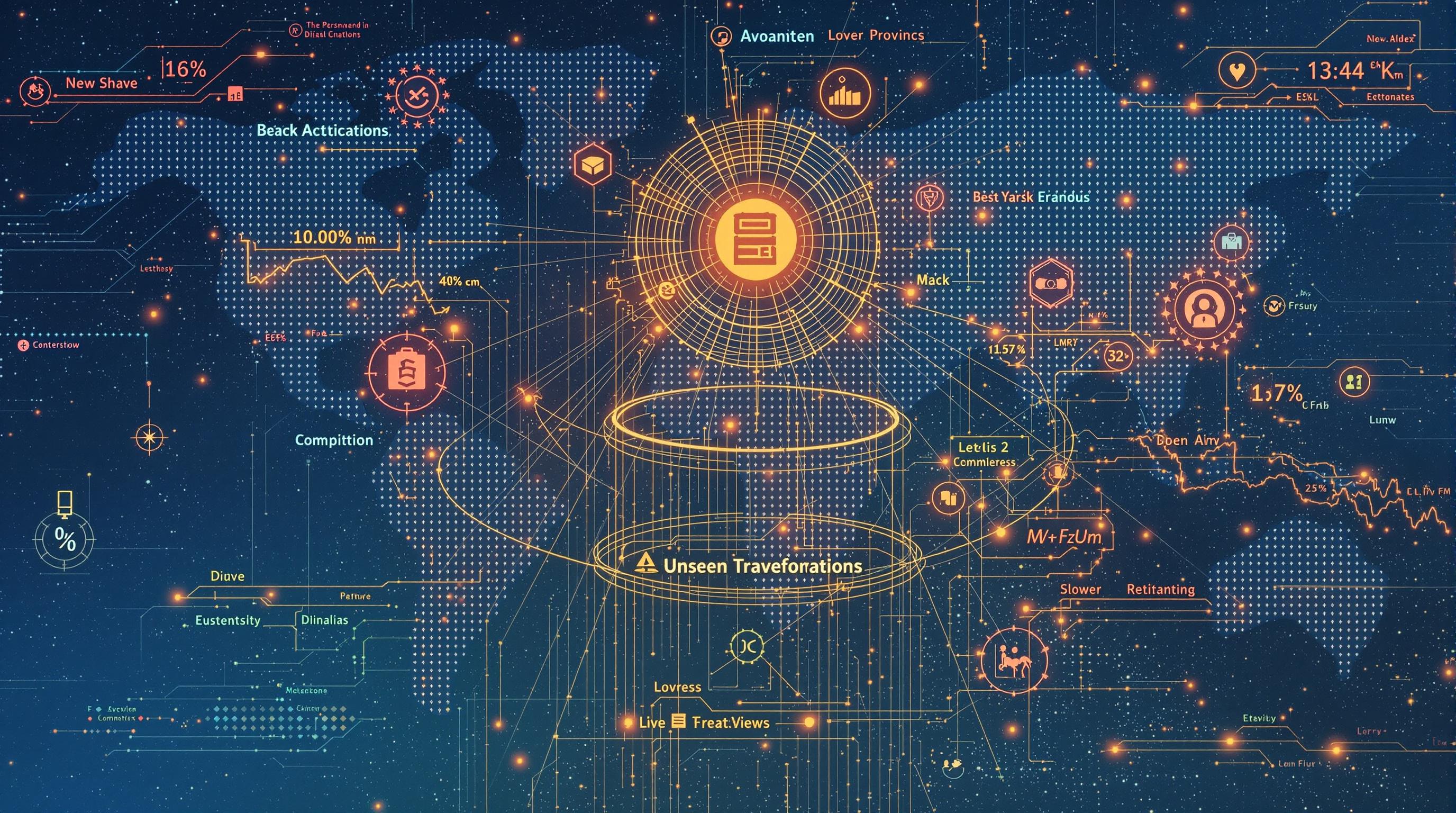
7 Unseen Forces Driving the Evolution of Global Economic Structures in the Age of Digital Transformation
7 Unseen Forces Driving the Evolution of Global Economic Structures in the Age of Digital Transformation
7 Unseen Forces Driving the Evolution of Global Economic Structures in the Age of Digital Transformation
1. The Rise of Data as an Asset
In the digital age, data has become a crucial asset. Businesses and economies are harnessing vast amounts of consumer data to gain insights, predict trends, and drive decision-making processes. This transition from traditional assets to data-centric approaches alters the landscape of global economic structures.
Organizations that utilize big data analytics are seeing substantial improvements in efficiency and profitability. With the ability to analyze purchasing behaviors, market trends, and operational performance in real-time, companies can pivot strategies almost instantaneously, leading to a more fluid economic environment.
As data privacy concerns grow, regulations like the General Data Protection Regulation (GDPR) have emerged, requiring businesses to prioritize ethical data use. This balance between leveraging data and adhering to privacy laws will shape the future of global economic interactions.
2. Blockchain and Decentralization
Blockchain technology represents a transformative force in the financial landscape by enabling decentralized transactions. Eliminating the need for intermediaries, blockchain has the potential to reshape how businesses and governments operate economically.
This technology fosters transparency and security, significantly reducing costs associated with fraud and paperwork. In sectors such as supply chain management, blockchain offers immutable tracking, leading to greater trust among participants, thereby altering traditional economic structures based on trust and verification.
As adoption grows, industries are exploring decentralized finance (DeFi) solutions, enabling peer-to-peer transactions without traditional banking systems. This shift could democratize access to financial services, affecting how economies function globally. According to a report by Deloitte, the potential economic impact of blockchain could exceed $1 trillion annually in several industries by 2030.
3. Artificial Intelligence and Automation
AI and automation are reshaping labor markets and economic structures globally. As industries adopt intelligent systems to streamline operations, the demand for traditional labor is diminishing, raising concerns about job displacement.
However, while automation threatens certain jobs, it simultaneously creates new roles that demand advanced skills. This duality is driving shifts in education and workforce training, thus impacting economic structures around the globe. For instance, a McKinsey report suggests that up to 375 million workers may need to change occupational categories by 2030 due to automation.
The integration of AI enhances productivity and efficiency but also calls for updated regulatory frameworks to address issues such as ethical AI use, worker rights, and economic disparity. Striking a balance will be essential to navigate this new economic terrain.
4. The Gig Economy and Changing Workforce Dynamics
The proliferation of digital platforms has led to the rise of the gig economy, where short-term, flexible jobs are becoming more prevalent. This shift challenges traditional employment models and labor laws, prompting economies to adapt to new workforce dynamics.
Workers are increasingly seeking autonomy and a diverse range of experiences over stable, permanent positions, reshaping consumer behavior and economic participation. According to a report from the World Economic Forum, the gig economy could account for over 50% of the U.S. workforce in the coming years.
This transformation necessitates new social safety nets and regulatory frameworks to accommodate gig workers' unique challenges, such as inconsistent income and lack of benefits. Policymakers will play a crucial role in managing this evolution to ensure economic stability and worker protection.
5. E-commerce and Global Trade Reconfiguration
E-commerce has radically transformed global trade by breaking down geographical barriers, enabling businesses to reach consumers worldwide. This shift is catalyzed by advancements in digital payment systems, logistics, and online marketing strategies.
As a result, small and medium enterprises can compete in markets that were once reserved for larger corporations, democratizing access to global trade. This democratization encourages economic diversity and innovation, fostering a more resilient economy.
However, the rise of e-commerce also leads to challenges such as cyber threats, increased regulation, and the need for sustainable practices. Understanding how to adapt to these challenges will be vital for future economic resilience and growth.
6. Sustainability and Green Economics
The urgency of climate change has sparked a global shift towards sustainability, influencing economic policies and consumer choices. Businesses are increasingly being held accountable for their environmental impact, leading to a rethink of traditional economic models.
Investments in renewable energy, sustainable agriculture, and eco-friendly technologies are not only mitigating climate impacts but also creating new sectors and job opportunities. The concept of "green economics" emphasizes sustainable growth, aiming to balance economic development with environmental stewardship.
Governments and organizations worldwide are creating initiatives and frameworks to promote sustainable practices. A report by the International Monetary Fund indicates that transitioning to a green economy could generate $26 trillion in economic benefits over the next decade.
7. Geopolitical Tensions and Economic Fragmentation
In an increasingly multipolar world, geopolitical tensions are reshaping global economic structures. Trade wars, sanctions, and diplomatic disputes disrupt established economic relationships, calling for a reevaluation of global supply chains and trade agreements.
As nations adopt protectionist policies, businesses must navigate an intricate web of regulations and tariffs. This fragmentation impacts not only the affected countries but also global markets, leading to increased volatility and economic uncertainty.
Proactive strategies to address these challenges will be essential for companies aiming to ensure stability and growth amidst geopolitical shifts. Understanding the dynamics of international relations will become a critical component of economic strategy moving forward.
Conclusion
The evolution of global economic structures driven by digital transformation is influenced by multiple unseen forces. From the rise of data as an invaluable asset to the complexities introduced by geopolitical tensions, the landscape is continually changing.
Recognizing these forces and their implications will empower individuals, businesses, and governments to navigate the challenges and opportunities that arise in this new economic paradigm. By embracing innovation, sustainability, and adaptability, stakeholders can shape a more resilient and inclusive global economy.
As we move forward, it is essential to remain informed and proactive in facing the unseen forces that will undoubtedly shape our economic futures.
Read More