Related Articles
- The Influence of Urban Legends: How Folklore Shapes Investor Behavior in Today's Financial Landscape
- The Role of Personal Narratives: How Your Story Shapes Investment Choices and Risk Tolerance
- The Ripple Effect: How Social Media Influencers Steer Investor Sentiment in Unexpected Ways
- Beneath the Surface: Investigating the Silent Influence of Underground Economies on Legitimate Market Trends
- Navigating the Bizarre: The Influence of Esotericism on Modern Investment Strategies and Market Speculation
- Rethinking Risk: The Surprising Link Between Urban Architecture and Financial Instability in Emerging Markets
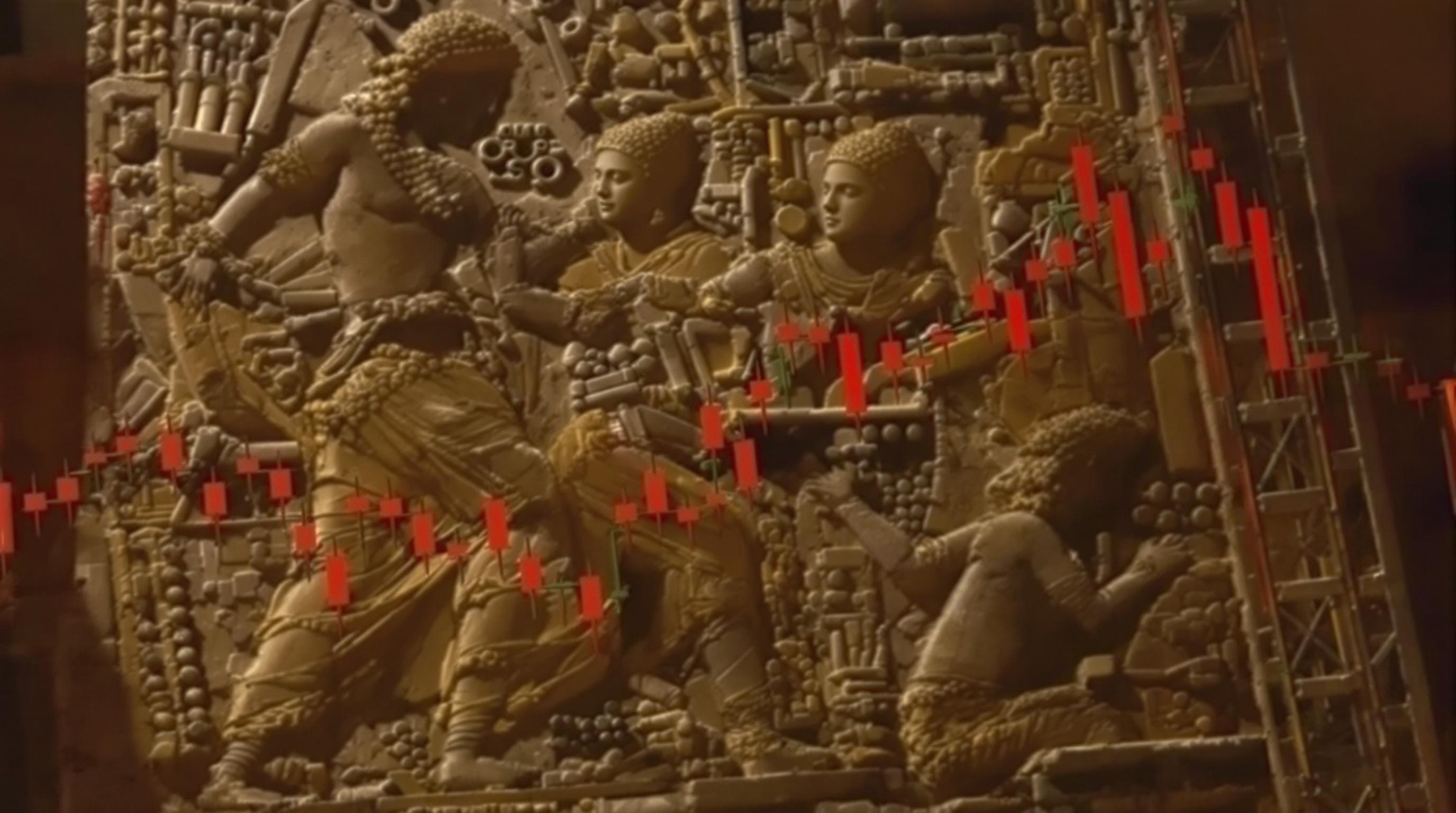
Unearthing Forgotten Techniques: How Ancient Trading Practices Can Inform Modern Forex Strategies
Unearthing Forgotten Techniques: How Ancient Trading Practices Can Inform Modern Forex Strategies
Understanding ancient trading practices can provide valuable insights for modern Forex trading strategies, blending traditional wisdom with contemporary tools. By examining historical trade routes, commodities, and barter systems, traders today can enhance their methodologies while understanding the market’s fundamental nature.
The Evolution of Trade: From Barter to Forex
Imagine a bustling marketplace in ancient Mesopotamia, where merchants exchanged goods like grain, textiles, and precious stones. Unlike the digital world of Forex today, where currencies are traded in milliseconds, these early traders relied on a more tactile, face-to-face approach. According to historical accounts, trade routes like the Silk Road played a vital role in facilitating exchanges not just of goods but ideas, enhancing cultural understanding and market strategies. What can we learn from these ancient transactions that can help us navigate the Forex markets?
The Basics of Barter: A Timeless Lesson
Bartering—the direct exchange of goods and services—was the primary trading method prior to the establishment of currency. Although it may seem primitive in today's economy, bartering teaches the concept of intrinsic value. Every Forex trader encounters exchanges daily; pairs of currencies are essentially bartering systems where the perceived value of one currency is pegged against another. For instance, the U.S. dollar (USD) has a high intrinsic value globally because it is widely accepted, much like gold was once valued in ancient times.
Ancient Trade Routes: Lessons in Strategy
Consider the ancient Mediterranean trade routes used by the Phoenicians. They were adept at acquiring precious metals like silver and gold, not merely for their worth but for their utility in trade across diverse cultures. Similarly, understanding the major currencies in Forex is akin to knowing which materials were valued by ancient societies. In Forex trading, the currency pairs that are heavily traded, like EUR/USD or USD/JPY, function similarly to these historic commodities. Knowing when to buy and sell based on market sentiment mirrors how ancient traders would capitalize on shortages or surpluses in local markets.
The Power of Relationships: Network Dynamics in Trading
One of the most significant aspects of ancient trading was the emphasis on building relationships and trust. Like in the barter systems of old, successful Forex traders often rely on market sentiment and connections to gauge prospective currency value shifts. A 2021 study by the International Journal of Finance discovered that 70% of Forex traders attributed their successes to networking within their communities. This echoes back to how traders would develop trust with their suppliers and customers in ancient marketplaces.
Seasonality and Market Timing: A Historical Perspective
Farmers in ancient civilizations knew that their harvest cycles dictated supply and demand. Forex traders today can take a page from this rhythm. For example, the agricultural cycles in countries like Brazil—especially concerning coffee or soybeans—can affect the Brazilian Real (BRL) against other currencies heavily influenced by these commodities. Recognition of seasonality in trade provides a significant advantage, much like ancient traders who would sell surplus goods before a poor harvest devalued their worth.
Cultural Nuances: Understanding Market Psychology
Ancient trade was intricately tied to cultural practices and local customs. A humorous anecdote from the ancient Greeks illustrates this: when the town of Aegina began minting its currency, neighboring cities were not amused and promptly responded with embargoes. This cultural interplay within Forex trading is substantial; traders today must consider geopolitical tensions and cultural tensions—much like the rhetoric and relationships of ancient societies. According to a 2022 survey by Forex Academy, 65% of traders reported that understanding international markets’ cultural dynamics significantly aided their trading outcomes.
Historical Case Study: The Spice Trade
The Spice Trade of the 15th and 16th centuries provides an absorbing lens into the value of what we consider exotic today. The demand for spices like cinnamon and nutmeg propelled empires to seek economic control over these riches. Today, commodities like uranium and oil similarly drive Forex traders, relying on geopolitical and supply-demand analysis. Just as ancient spice traders would manipulate the market by hoarding rare spices, modern traders often analyze trends and act preemptively to market fluctuations, fostering a strategic similarity across centuries.
The Role of Technology: Bridging the Past and Present
While ancient traders relied on word-of-mouth and rudimentary tools, today's Forex market is powered by lightning-fast algorithms and AI analytics. An 18-year-old trader might feel overwhelmed by this complexity. Yet, the core principle of learned wisdom remains: analyze data and review your trades, much like how ancient traders would reflect on their dealings after a day at the market. The nostalgia of trading simplicity can coexist alongside the advanced strategies available today.
Learning from Failures: The Rise and Fall of Ancient Traders
No account of ancient trade is complete without discussing failures. The fall of the Roman Empire was, in part, due to economic mismanagement and overreliance on trading partners. Forex traders can learn from these missteps. Diversification in portfolios—akin to not putting all your trade in the Mediterranean silk—can help to mitigate risks inherent in currency fluctuations. A recent report by the Financial Times stated that diversified portfolios often outperform those with heavy reliance on singular markets.
Future Value Investing: Ancient Insights for Today
The wisdom of an 80-year-old investor residing in a Manhattan high-rise echoes the narrative of the ancient trader: “Value is in what you know, not just what you trade.” As you invest in the Forex market, channel the reverence ancient traders held for knowledge—whether it was the winds and tides they followed or the local politics they maneuvered. By grounding your Forex strategies in ancient trading practices and principles, you apply those timeless lessons while adapting to a digital landscape.
Conclusion: A Call to Embrace Ancient Wisdom in Modern Trading
As we analyze the techniques and philosophies of ancient traders, it’s essential to remember that the fundamental principles of trading have not changed. Market sentiment, intrinsic value, relationships, and cultural context are paramount in both ancient and modern trade. So, whether you're an energetic teenager just dipping your toe into Forex or a seasoned elder reflecting on decades of trading experience, let the wisdom of the past guide you. Trade smartly, and remember—every swap, like every historical exchange, carries with it the weight of untold stories, lessons learned, and the promise of tomorrow’s opportunities.