Related Articles
- The Influence of Urban Legends: How Folklore Shapes Investor Behavior in Today's Financial Landscape
- The Role of Personal Narratives: How Your Story Shapes Investment Choices and Risk Tolerance
- The Ripple Effect: How Social Media Influencers Steer Investor Sentiment in Unexpected Ways
- Beneath the Surface: Investigating the Silent Influence of Underground Economies on Legitimate Market Trends
- Navigating the Bizarre: The Influence of Esotericism on Modern Investment Strategies and Market Speculation
- Rethinking Risk: The Surprising Link Between Urban Architecture and Financial Instability in Emerging Markets
Harnessing the Waves: The Unexpected Influence of Climate Data on Forex Trading Dynamics
Harnessing the Waves: The Unexpected Influence of Climate Data on Forex Trading Dynamics
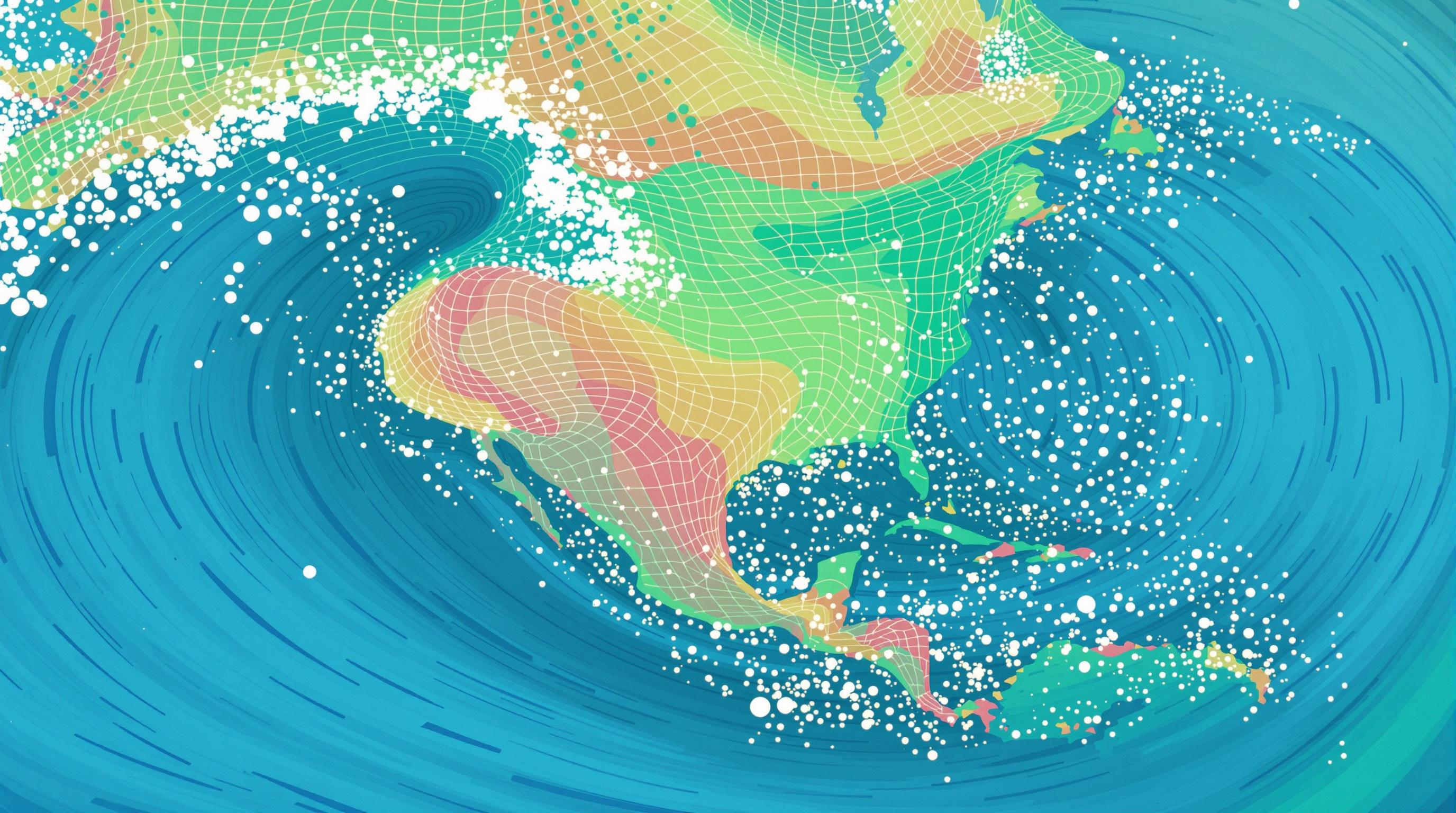
Climate data is reshaping the landscape of Forex trading in unexpected ways, influencing everything from investor sentiment to currency strength. As traders become increasingly aware of these shifts, understanding the interplay between climate fluctuations and currency valuation becomes crucial.
The Forex Climate Connection
Imagine you’re trading currencies in a bustling marketplace and a sudden storm rolls in. Not only are your plans for lunch thwarted, but the storm also sends ripples through the Forex market. The euro weakens against the dollar as agricultural exports from Europe falter due to unexpected weather. This scenario illustrates a crucial point: Forex trading is often viewed as a realm of economic indicators, interest rates, and geopolitical events, but climate data is becoming an essential variable in this equation.
The Role of Climate Data in Currency Valuation
As we dive deeper into the specifics, it’s essential to recognize that climate change has tangible effects on economies worldwide. In 2021, a report by the World Bank noted that natural disasters linked to climate change could displace up to 200 million people by 2050. Such migrations can lead to significant changes in labor availability and consumer spending, thereby affecting currency values and Forex trading strategies across borders.
Casual Insights: A Trader’s Perspective
Let’s take a step back for a moment. Picture yourself in the shoes of a novice Forex trader. You’re sitting with your laptop, juggling charts, trends, and market news. Suddenly, you stumble upon a weather report predicting extreme droughts in Grain Belt regions of the United States. Does this make you reconsider your USD/CAD position? It certainly should! The connection here is simple: crops drying up leads to rising food prices, affecting inflation and, in turn, policy decisions regarding interest rates. Keep an eye on those weather reports!
Statistics That Speak Volumes
According to a 2021 study published by the International Monetary Fund, countries with stronger environmental policies tend to exhibit more robust economic performance in the long run. This finding indicates that nations actively addressing climate change can stabilize their currencies, making them more attractive for Forex trading. Interestingly, the report highlighted that investment in renewable energy significantly buffered economies against currency volatility, specifically in regions prone to climate impacts.
The Psychology of Forex Traders
Now, let’s delve into the human element—investor psychology. Traders are influenced not only by data but also by moods and perceptions. A trader might look at a severe weather forecast for Europe and envision a scenario of falling growth rates, which could prompt them to short the euro. Meanwhile, the same trader might find optimism in Japan’s aggressive investment in climate-resilient technologies, leading them to buy yen. This psychology has a ripple effect, further enhancing the relation between climate data and currency dynamics.
Case Study: The Australian Dollar
A notable example comes from Australia, which is heavily dependent on commodity exports, particularly coal and agricultural products. In 2020, significant wildfires affected vast portions of the Australian landscape, crippling agricultural outputs. In response, the Australian dollar fell sharply against currencies like the USD, as investors anticipated declines in export revenues. The currency took several months to recover, emphasizing the profound impact climate-related events can have on Forex trading decisions.
The Ripple Effect of Extreme Weather
Beyond immediate impacts, extreme weather fosters longer-term consequences. For instance, as ice melts in the Arctic, new shipping routes open, providing unprecedented access to Asia. While this might enhance trade opportunities for certain currencies, it could also create geopolitical tensions, altering trading relations and subsequently impacting Forex rates. It’s a complex web and a reminder that climate data shouldn’t be an afterthought—it should be central to any comprehensive trading strategy.
The Rising Trend of Sustainable Trading
As awareness around climate issues grows, sustainable and ethical investing is emerging as a significant trend in the Forex market. Traders and investors are beginning to consider ESG (Environmental, Social, and Governance) factors in their decision-making processes. Using platforms that highlight eco-conscious companies can give traders an edge. Simply put, the future of Forex trading lies at the intersection of financial acuity and environmental stewardship.
Persuasion: Why You Should Adapt
Are you still skeptical about the relevance of climate data in Forex? It’s time to wake up to reality! If you wish to navigate the ever-evolving landscape of Forex successfully, ignoring environmental conditions is akin to sailing a ship without a compass. Making informed decisions based on climate data is not just advantageous, it’s essential for long-term success in this field.
34% of Traders Agree
According to a recent Forex trader survey by Forex.com, 34% of respondents believe that climate data significantly influences their trading decisions. This increasing consensus showcases a shift in mentality, underscoring the need for traders to adapt quickly to this changing environment.
Conclusion: Riding the Waves of Change
As both a millennial and a trader passionate about Forex, I can testify that understanding climate data is not just a trend—it's a necessity. We live in a world where economic factors are no longer isolated from environmental ones. By harnessing the unpredictable waves of climate data, traders can navigate the financial seas with greater precision, ultimately leading to more informed and potentially profitable trading decisions.
So, the next time you flip through your Forex charts, take a moment to check the climate data too. You might just find that those squiggly lines have some interesting patterns, influenced by something far beyond traditional economic indicators. Get ready; the climate has a wave to ride in the Forex market—are you prepared to surf?