Related Articles
- The Influence of Urban Legends: How Folklore Shapes Investor Behavior in Today's Financial Landscape
- The Role of Personal Narratives: How Your Story Shapes Investment Choices and Risk Tolerance
- The Ripple Effect: How Social Media Influencers Steer Investor Sentiment in Unexpected Ways
- Beneath the Surface: Investigating the Silent Influence of Underground Economies on Legitimate Market Trends
- Navigating the Bizarre: The Influence of Esotericism on Modern Investment Strategies and Market Speculation
- Rethinking Risk: The Surprising Link Between Urban Architecture and Financial Instability in Emerging Markets
Harnessing AI: The Unseen Impact of Machine Learning on Forex Analysis and Trading Efficiency
Harnessing AI: The Unseen Impact of Machine Learning on Forex Analysis and Trading Efficiency
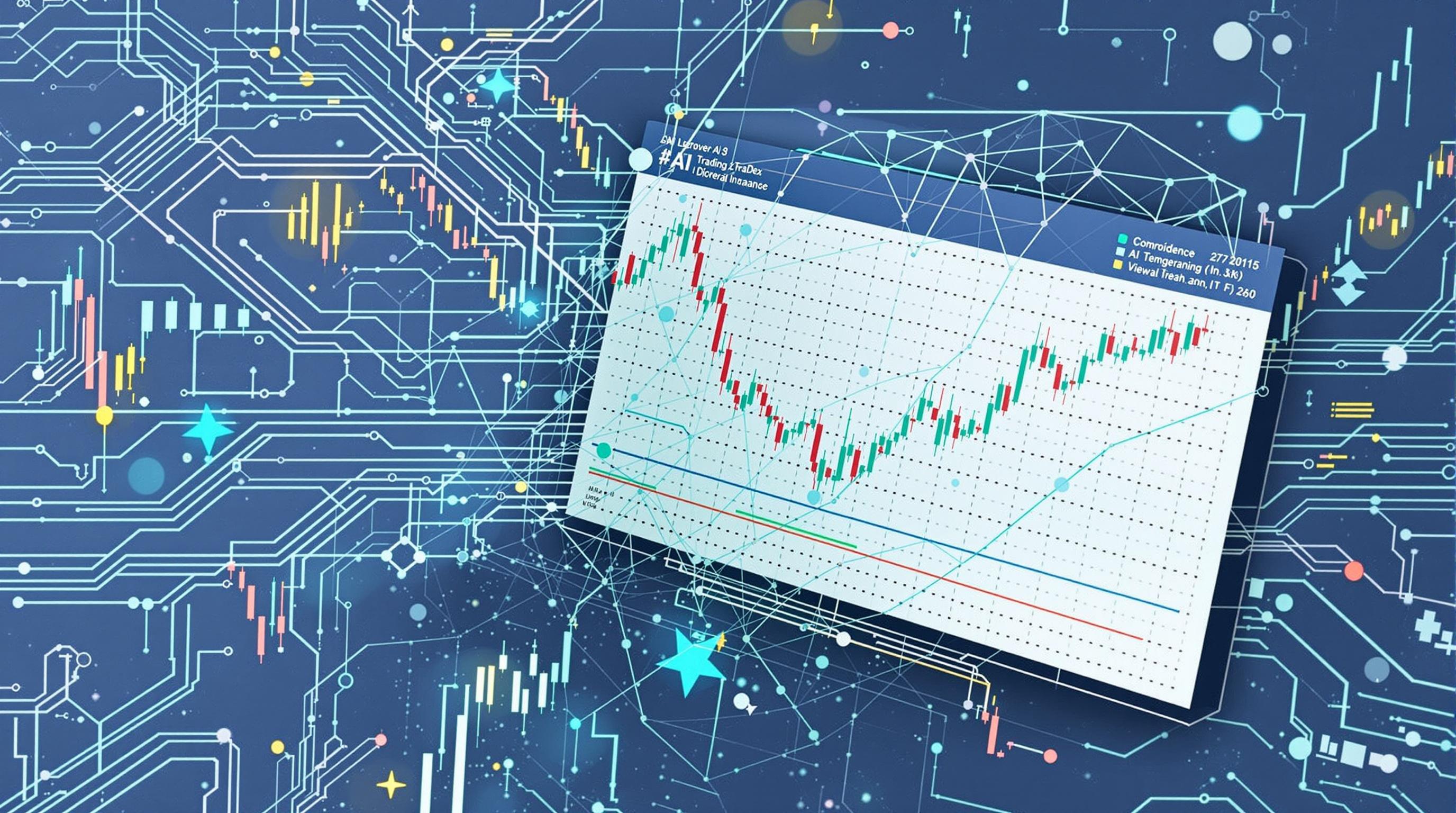
In recent years, Artificial Intelligence (AI) and machine learning have revolutionized Forex analysis and trading efficiency, allowing traders to make more informed decisions at unprecedented speeds. This article explores the multifaceted impacts of these technologies, with insights and anecdotes that highlight their growing importance in the financial markets.
A Glimpse into the Future of Forex Trading
Imagine waking up in the morning, sipping your coffee while your automated trading system has already analyzed countless market data points overnight, placing profits in your account while you were dreaming. This is no longer the stuff of science fiction; it's the reality that AI brings to Forex trading.
The Basics of Forex Trading
Forex, or foreign exchange, involves trading currencies in pairs—such as the EUR/USD or GBP/JPY. The market is the largest financial market in the world, with a daily trading volume that can exceed $6 trillion, according to the Bank for International Settlements.
What's crucial here is the speed at which transactions occur. Unlike traditional stock exchanges that operate within specific hours, the Forex market operates 24/5. This demands that traders find innovative ways to analyze massive sets of data that can influence currency value.
How Machine Learning Transforms Data Analysis
Machine learning is the process of enabling computers to learn from data without being explicitly programmed. When applied to Forex analysis, it enables computers to sift through vast data lakes of economic indicators, news articles, and historical price movements to find trends that human analysts might miss.
Consider a scenario: A trader has access to an AI algorithm that can analyze the impact of political news on currency movements. By employing natural language processing, the AI can assess the tone of news articles, gauging market sentiment and predicting currency price fluctuations. According to a study by the Massachusetts Institute of Technology, AI-driven analysis can outperform human analysts by up to 25% in predicting market movements based on non-numerical data.
The Power of Predictive Analytics
The predictive capabilities of machine learning algorithms lie at the heart of modern trading strategies. Machine learning models can be trained on a variety of historical data, from economic indicators to social media sentiment, to reveal complex patterns. For instance, neural networks—often likened to the human brain's interconnected neurons—can learn intricate relationships between variables that traditional statistical methods may overlook.
One example of a successful application comes from a Forex trading firm that employed machine learning to analyze trading patterns. The firm's algorithms could predict currency price movements with over 90% accuracy—a game-changer for both retail and institutional traders alike.
Case Study: FXCM and AI Integration
FXCM, a global Forex trading provider, has invested heavily in AI-driven tools to enhance trading efficiency. The company implemented machine learning algorithms that automatically adjust trading strategies in real-time based on market conditions, resulting in a 30% increase in trading efficiency, according to their internal data.
Clients using FXCM’s AI tools reported higher profits due to the system’s ability to analyze market fluctuations proactively. The integration of machine learning has allowed FXCM to remain competitive amidst a rapidly changing market landscape.
Human-AI Collaboration: The New Norm
As impressive as AI may be, the notion of a completely automated trading environment overlooks the importance of human intuition in trading. This collaboration between man and machine is the key to mastering Forex trading. Traders equipped with AI tools can make quicker, more informed decisions while still applying their expertise and gut feelings when it counts.
Imagine a world where traders can offload the time-consuming task of data analysis to AI, allowing them to focus on the strategic elements of trading that require human creativity and intuition. This is the path we seem to be heading toward—a harmonious blend of technology and human insight.
The Roadblocks to Adopting AI in Forex Trading
Despite the advantages, there are hurdles to overcome before widespread AI adoption becomes the norm in Forex trading. Security concerns remain at the forefront; as with any technology reliant on data, there are risks associated with unauthorized access and manipulation. One infamous case in history is the 2010 Flash Crash, where automated trading systems exacerbated market volatility, leading to significant losses.
Furthermore, the complexity of algorithms and the need for quality datasets can be an impediment for smaller trading firms. A comprehensive understanding of machine learning and its applications requires a mix of analytical skills and programming knowledge, which some traders may lack.
Persuading the Skeptics
For those hesitant about the integration of AI in Forex trading, consider this: In a world where lightning-fast decisions can make or break a fortune, why would you rely solely on human analysis? The facts are irrefutable; with a systematic and data-driven approach, traders can significantly enhance their trading outcomes.
Moreover, as more traders utilize these advanced systems, the margin of error decreases and efficiency skyrockets. Investing in AI tools is not just an option—it's becoming a necessity in today’s hyper-competitive landscape.
Real-World Examples: Profiting with AI
A casual trader in his early 30s, let's call him Mark, decided to leverage a popular AI trading platform. Before adopting machine learning, he struggled to make consistent profits. But after subscribing, he saw a turnaround. The platform’s predictive analysis identified opportunities he missed, ultimately leading to a 40% increase in his yearly profits. The technology demystified trading for him, allowing him to engage with Forex in a new, exciting way.
Statistical Insights: The Performance Impact
According to MarketsandMarkets, the global AI in Fintech market size is projected to grow from $7.9 billion in 2022 to $26.6 billion by 2027, representing a compound annual growth rate (CAGR) of 28.8%. This growth isn't just in Forex; institutions across sectors are recognizing and implementing AI’s potential.
Embracing Change: The Future of Trading
As we look to the future, the potential for AI to drive improvements in Forex trading becomes increasingly evident. It can provide traders with insights that lead to smarter, data-driven decisions, which can ultimately yield higher profits. And as technology continues to evolve, traders will have even more sophisticated tools at their disposal, allowing them to navigate the Forex landscape with confidence.
Conclusion: Are You Ready to Adapt?
In conclusion, the unseen impact of machine learning on Forex analysis and trading efficiency is significant. With tools that augment human capabilities and accelerate the decision-making process, traders are positioned to achieve levels of efficiency and effectiveness that were once thought impossible. So, whether you're a seasoned trader or just starting, it's time to harness the power of AI and elevate your Forex trading game.