Related Articles
- The Influence of Urban Legends: How Folklore Shapes Investor Behavior in Today's Financial Landscape
- The Role of Personal Narratives: How Your Story Shapes Investment Choices and Risk Tolerance
- The Ripple Effect: How Social Media Influencers Steer Investor Sentiment in Unexpected Ways
- Beneath the Surface: Investigating the Silent Influence of Underground Economies on Legitimate Market Trends
- Navigating the Bizarre: The Influence of Esotericism on Modern Investment Strategies and Market Speculation
- Rethinking Risk: The Surprising Link Between Urban Architecture and Financial Instability in Emerging Markets
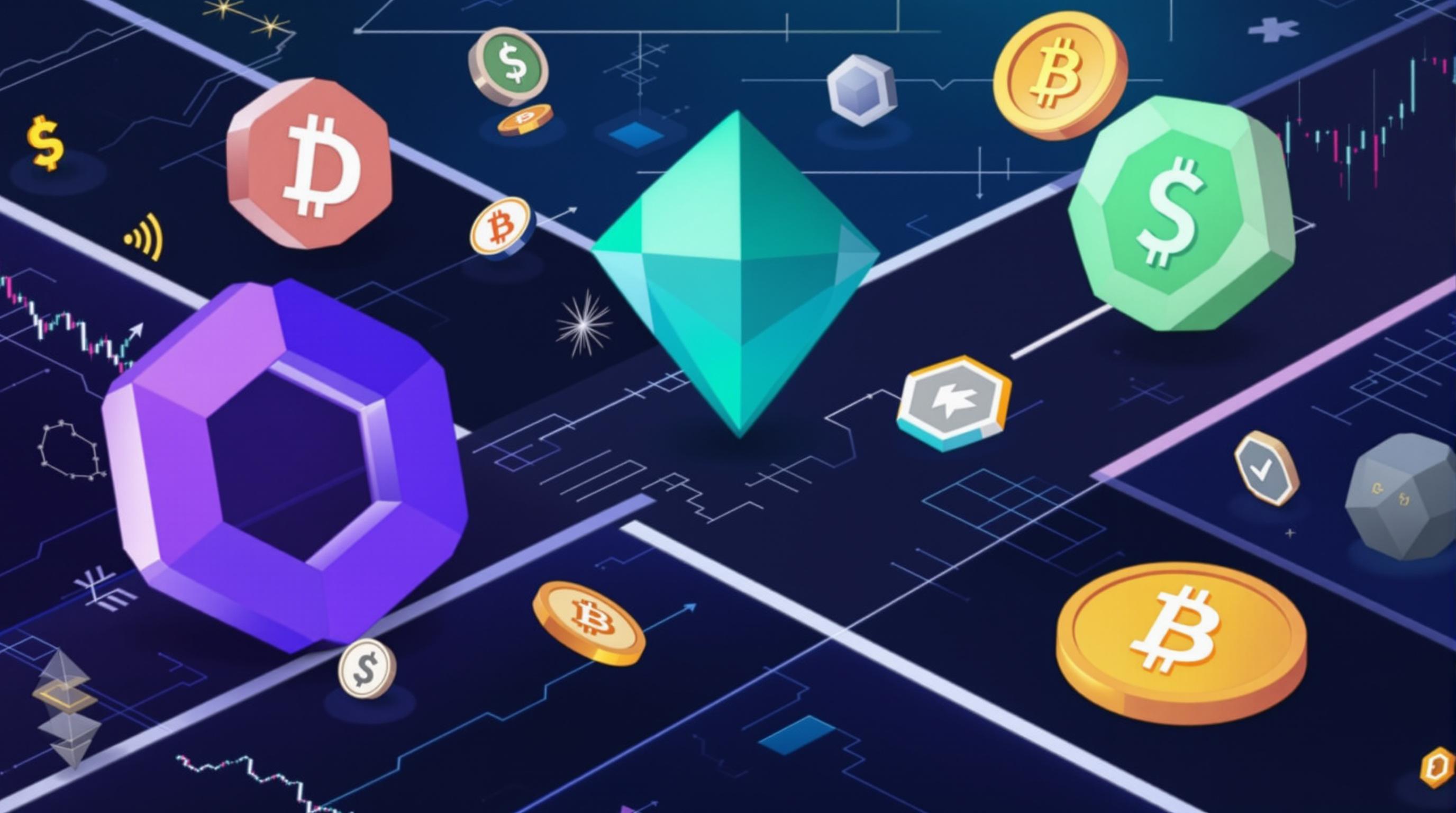
Cryptocurrency Crossroads: The Surprising Intersection of DeFi and Forex Trading Instruments
Cryptocurrency Crossroads: The Surprising Intersection of DeFi and Forex Trading Instruments
Cryptocurrency and Forex trading are often perceived as distinct financial domains, yet they are converging in fascinating ways through DeFi (Decentralized Finance). This article explores this surprising intersection, examining how traditional forex instruments are being integrated within the DeFi landscape and what this means for the future of trading.
The Evolution of Finance: From Forex to DeFi
In the world of finance, change is the only constant. Forex trading has been a titan in the financial sector, boasting a daily trading volume of over $6 trillion as of 2021 (Bank for International Settlements). However, with the rise of DeFi, a new player has entered the game, combining the principles of traditional trading with the innovative spirit of blockchain technology.
The Basics of Forex and DeFi
Forex, or foreign exchange, refers to the global marketplace for trading national currencies against one another. DeFi, on the other hand, leverages decentralized networks to transform the financial system, allowing for peer-to-peer transactions without intermediaries. Both systems may seem separate, but they share a common thrill—volatility.
The Power of Volatility
Whether you’re trading forex or cryptocurrencies, market volatility can either be a trader’s best friend or worst enemy. According to a 2020 report by Cointelegraph, crypto markets can experience daily price swings of over 10%, leading some traders to shun them out of fear. Yet, it is precisely this volatility that offers the opportunity for high returns, drawing an increasing number of forex traders into the crypto space.
Bridging the Gap: How DeFi is Redefining Forex Instruments
Tools commonly used in forex trading, such as various types of derivatives, are being adopted and adapted in DeFi. This fusion is creating new opportunities for both seasoned investors and curious newcomers. For instance, platforms like dYdX and Synthetix allow users to trade synthetic assets that mirror the values of traditional forex currencies—think of them as forex pairs wrapped in a DeFi bow.
A Case Study: Synthetix
Take Synthetix, for example. This DeFi protocol allows users to mint and trade synthetic assets (or “synths”), including currencies, commodities, and equities. Synths provide a unique way to gain exposure to various assets without actually owning them. For forex enthusiasts, this means accessing global currency markets in a decentralized manner, avoiding the restrictions of traditional forex brokers.
Risk and Reward: The Financial Tightrope
While the merger of forex and DeFi instruments is promising, it’s crucial to acknowledge the risks. Cryptocurrencies, as volatile assets, come with marked risk levels that can result in rapid losses if not managed wisely. A market analysis by The Block reported that 75% of traders quit due to heavy losses within the first year of trading, underscoring the importance of due diligence and risk management.
The Global Reach of DeFi
One of the striking advantages of DeFi over traditional forex trading is accessibility. While forex trading typically requires a significant capital outlay and a brokerage account, DeFi platforms democratize access, allowing anyone with an internet connection to participate. As per a report by The World Bank, about 1.7 billion adults remain unbanked globally—DeFi presents an opportunity to include this demographic in the financial system.
Real-World Applications of DeFi in Forex Trading
The merger of these realms extends beyond mere trading mechanisms. Imagine conducting international remittances using stablecoins like USDC or DAI, circumventing high transfer fees and long wait times often associated with traditional methods. As the saying goes, “time is money,” and in the forex world, it can be extraordinarily valuable.
Trendy and Informed: Meet James, the 23-Year-Old Trader
James, a 23-year-old freelancer from London, shares his experience: “I started trading forex several years ago, but I was tired of the fees and restrictions. Once I discovered DeFi, it was like a light bulb went on. Now, I can trade forex assets on a decentralized platform from my smartphone without worrying about sky-high transaction fees.” This sentiment echoes many young traders looking for innovative ways to trade responsibly.
The Not-So-Funny Side of DeFi
Of course, not every story in DeFi is filled with unicorns and rainbows. With great opportunity comes even greater risk. Just last year, a significant DeFi hack led to losses of over $50 million, raising alarms about security. As these platforms evolve, the need for robust security measures will be paramount in preserving user funds and trust in decentralized financial systems. Remember, folks, this isn't a game!
Assembling the Best of Both Worlds
Ultimately, DeFi and forex trading are like two puzzle pieces that could fit together beautifully. Innovative projects are working to integrate traditional trading instruments in a decentralized fashion, creating a more diversified and secure trading environment. Leading DeFi platforms are currently exploring how tokens that track forex markets can coexist with smart contracts, offering users an unprecedented range of trading options.
The Future: A Decentralized Financial Ecosystem
What does the future hold? Imagine a world where a single platform facilitates everything from forex trading to decentralized lending. In the words of Ethereum co-founder Vitalik Buterin, “Decentralization is not a goal in itself, but a means to other ends.” Indeed, as we navigate this crossroads, the collision of DeFi and forex will pave the way for radical innovations.
The Road Ahead: Teamwork Makes the Dream Work
As we stroll into this brave new world, it’s essential for forex traders to collaborate with tech-savvy developers and DeFi enthusiasts. Workshops, webinars, and online forums can be rich resources for knowledge sharing. Mutual understanding will be a catalyst for leveraging new technology while respecting traditional finance principles, ultimately creating a more robust financial ecosystem.
Statistics that Matter: The Impact Overview
Statistically speaking, the shift towards DeFi is evident. A report from CoinMarketCap suggests that DeFi protocols accounted for nearly $80 billion in total value locked (TVL) by mid-2023. This exponential growth highlights the burgeoning interest in DeFi, indicating that traders from all backgrounds are starting to recognize its potential.
Closing Thoughts: Your Financial Future Awaits
If you’re a trader — whether seasoned or just entering the field — now is the time to explore the possibilities created by the intersection of DeFi and forex. The tools and platforms are out there; it’s merely up to you to harness them wisely. Like all things in life, knowledge is power, and those who act first can often reap the most rewarding benefits.