Related Articles
- The Influence of Urban Legends: How Folklore Shapes Investor Behavior in Today's Financial Landscape
- The Role of Personal Narratives: How Your Story Shapes Investment Choices and Risk Tolerance
- The Ripple Effect: How Social Media Influencers Steer Investor Sentiment in Unexpected Ways
- Beneath the Surface: Investigating the Silent Influence of Underground Economies on Legitimate Market Trends
- Navigating the Bizarre: The Influence of Esotericism on Modern Investment Strategies and Market Speculation
- Rethinking Risk: The Surprising Link Between Urban Architecture and Financial Instability in Emerging Markets
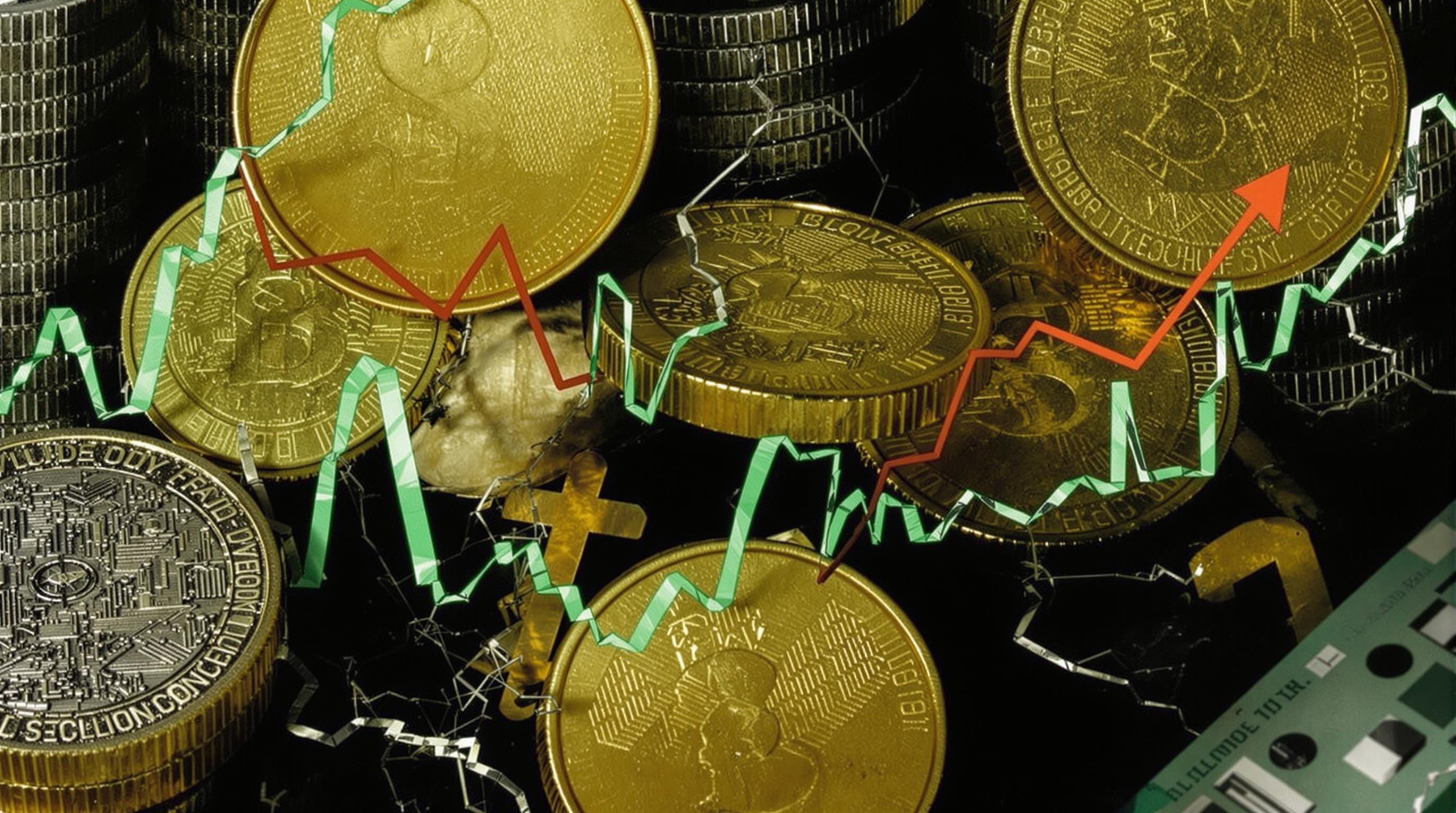
The Dark Side of Currency Trading: Ethical Dilemmas and Hidden Costs in the Quest for Profits
The Dark Side of Currency Trading: Ethical Dilemmas and Hidden Costs in the Quest for Profits
The quest for profits in currency trading often unveils a murky world of ethical dilemmas and hidden costs that traders must navigate. As individuals chase the allure of wealth, they encounter not just financial risks but moral quandaries that can affect economies and lives worldwide.
Introduction to Currency Trading
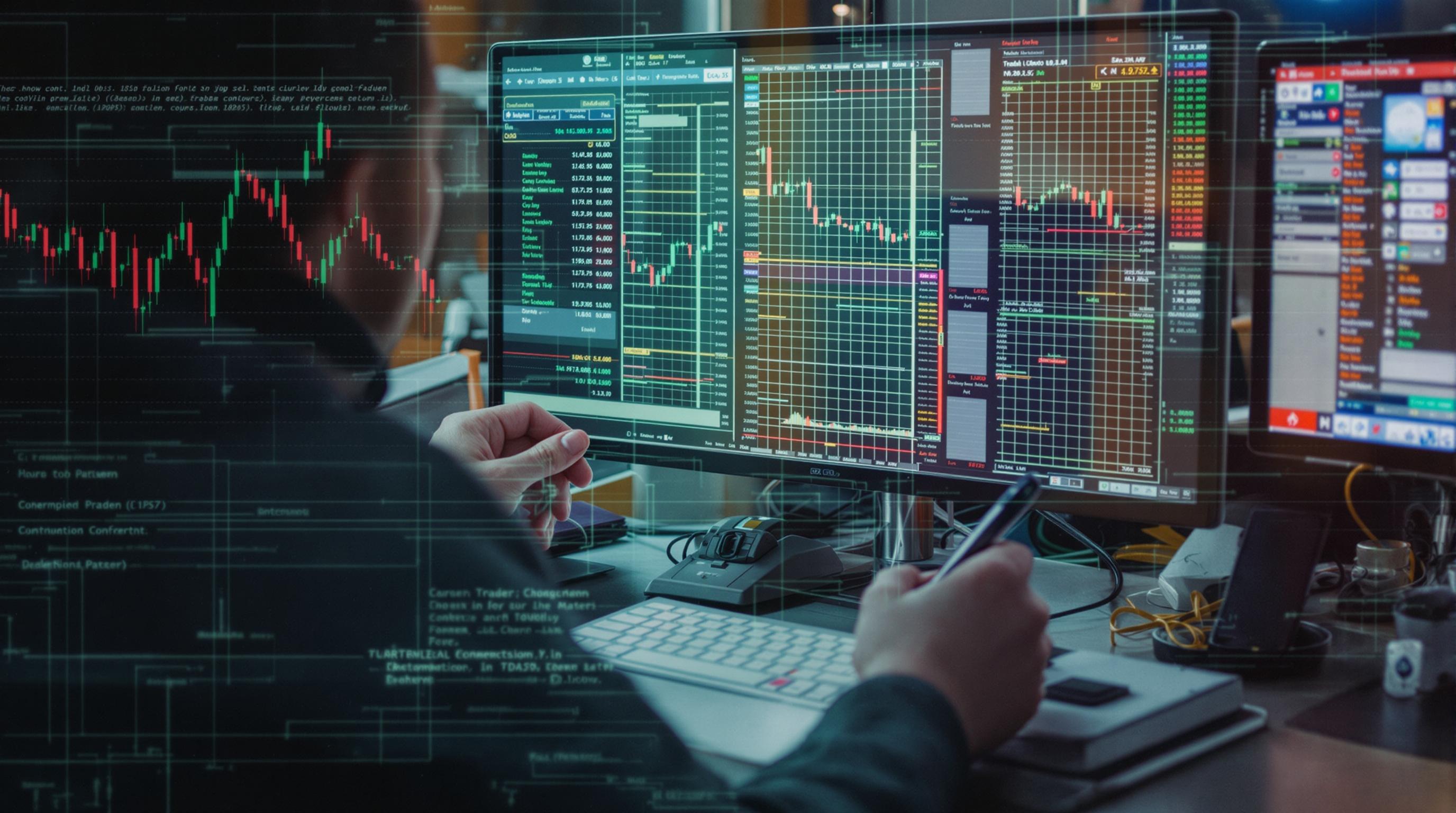
Imagine waking up one day and realizing you have the potential to make thousands of dollars with just a few clicks. Currency trading, also known as forex trading, offers this tantalizing dream, but it’s not all sunshine and profits. Forex market daily trading volumes exceed $6 trillion, and unlike traditional stock trading, currency trading operates 24/5, creating endless opportunities but also immense risks.
The Allure of Instant Wealth
Many traders enter the forex market with dreams of instant wealth, often encouraged by vibrant advertisements that showcase the lifestyles of successful traders. But for every stories of a trader who struck it rich, there are countless others who lost everything. According to a report by the Financial Conduct Authority (FCA), around 80% of retail investors lost money when trading forex between 2015 and 2018. The stark truth? The golden opportunities can disguise a treacherous landscape.
Ethical Dilemmas in Currency Trading
In this pursuit of wealth, ethical dilemmas arise. The forex market can act as a predictor of international events; currency fluctuations can impact masses in a negative way. For instance, during the 2015 Greek debt crisis, traders speculated on the country’s exit from the eurozone, causing panic and worsening the situation. How do we reconcile personal profit with the implications our trades have on economies and communities? It’s a question that looms large over the forex world.
The Impact of Speculation
Speculation in currency trading can be likened to playing with fire. While it may seem harmless, consider this: when traders place bets on a nation’s currency, they effectively influence its value. In developing economies, wild fluctuations can lead to inflation, increased debt burden, and even political upheaval. The 1997 Asian Financial Crisis serves as a prime example, where speculative trading in currency led to catastrophic economic consequences in several nations.
Hidden Costs: More Than Just Money
Sure, there’s the commission fees and spread costs, but hidden within currency trading are emotional and psychological costs that often go unaccounted for. Anxiety, depression, and a distorted sense of reality can plague people who are embedded in high-stakes trading. Many traders report feelings of isolation, guilt, and the pressure to perform, leading to detrimental impacts on mental health.
Real Stories from the Trading Floor
Meet Alex, a 35-year-old forex trader who once thought currency trading would offer an escape from financial struggle. After an initial string of victories, he began to chase losses with increasing aggression. Eventually, he lost not only his savings but also relationships. Like many traders, he underestimated the darkness of the trading world. His story is not isolated; average traders often face psychological battles that persist long after the trading day ends.
Regulation and Ethical Trading Practices
The financial industry is often critiqued for its lack of stringent regulations. The forex market stands relatively unregulated compared to other financial spheres, leading some brokers to exploit their clients. While some might argue that self-regulation is enough, history suggests otherwise. The failure of MF Global in 2011, which involved the misuse of customer funds, serves as a stark reminder that inadequate regulations can wreak havoc on traders’ lives.
The Role of Education
Education in trading is paramount to mitigate the hidden costs associated with unethical practices. Knowledge empowers traders to make informed decisions and understand the broader implications of their actions. For instance, online platforms like Investopedia provide a plethora of resources on ethical trading. However, traders must also seek self-awareness; knowing their limits is just as crucial as being aware of market trends.
Trading and Environmental Impact
Moreover, currency trading may have unintended environmental consequences. High-frequency trading requires enormous data center operations, contributing to significant energy consumption. In a world facing a climate crisis, this raises the question: is it ethical to pursue profits that may exacerbate environmental degradation?
Case Study: The Swiss Franc Shock
In January 2015, the Swiss National Bank (SNB) unexpectedly removed the currency's cap against the euro, sparking chaos in forex trading. Many retail traders and firms suffered catastrophic losses overnight, with some brokers declaring bankruptcy. This shock exemplified the hidden volatility risks in forex trading and brings to light the importance of considering the ethical implications of trading decisions. While flash crashes are dramatic events, they underline how currency trading can harm individual investors and the broader financial landscape.
Conclusion: Navigating the Murky Waters
Navigating the murky waters of currency trading demands a thoughtful and ethical approach. Balancing profit with responsibility is crucial for traders who want to ensure they are not only padding their wallets but also contributing positively to the global economy. Traders must remember—they are not just numbers in a spreadsheet; they are part of a larger ecosystem. By cultivating a sense of responsibility, they can turn potential negative impacts into positive change.
Final Thoughts
In conclusion, the dark side of currency trading may not shine on the glamorous surface we often see. With ethical dilemmas, hidden costs, and far-reaching consequences, the forex market can often feel like a complex labyrinth. For young traders aspiring to make their mark, it’s vital to acknowledge these challenges and educate themselves. While the potential for profit may be alluring, emerging from this dark place requires all the light of ethics, responsibility, and self-awareness possible.