Related Articles
- The Influence of Urban Legends: How Folklore Shapes Investor Behavior in Today's Financial Landscape
- The Role of Personal Narratives: How Your Story Shapes Investment Choices and Risk Tolerance
- The Ripple Effect: How Social Media Influencers Steer Investor Sentiment in Unexpected Ways
- Beneath the Surface: Investigating the Silent Influence of Underground Economies on Legitimate Market Trends
- Navigating the Bizarre: The Influence of Esotericism on Modern Investment Strategies and Market Speculation
- Rethinking Risk: The Surprising Link Between Urban Architecture and Financial Instability in Emerging Markets
Hidden Patterns: Exploring the Impact of Seasonal Trends on Currency Trader Decision-Making
Hidden Patterns: Exploring the Impact of Seasonal Trends on Currency Trader Decision-Making
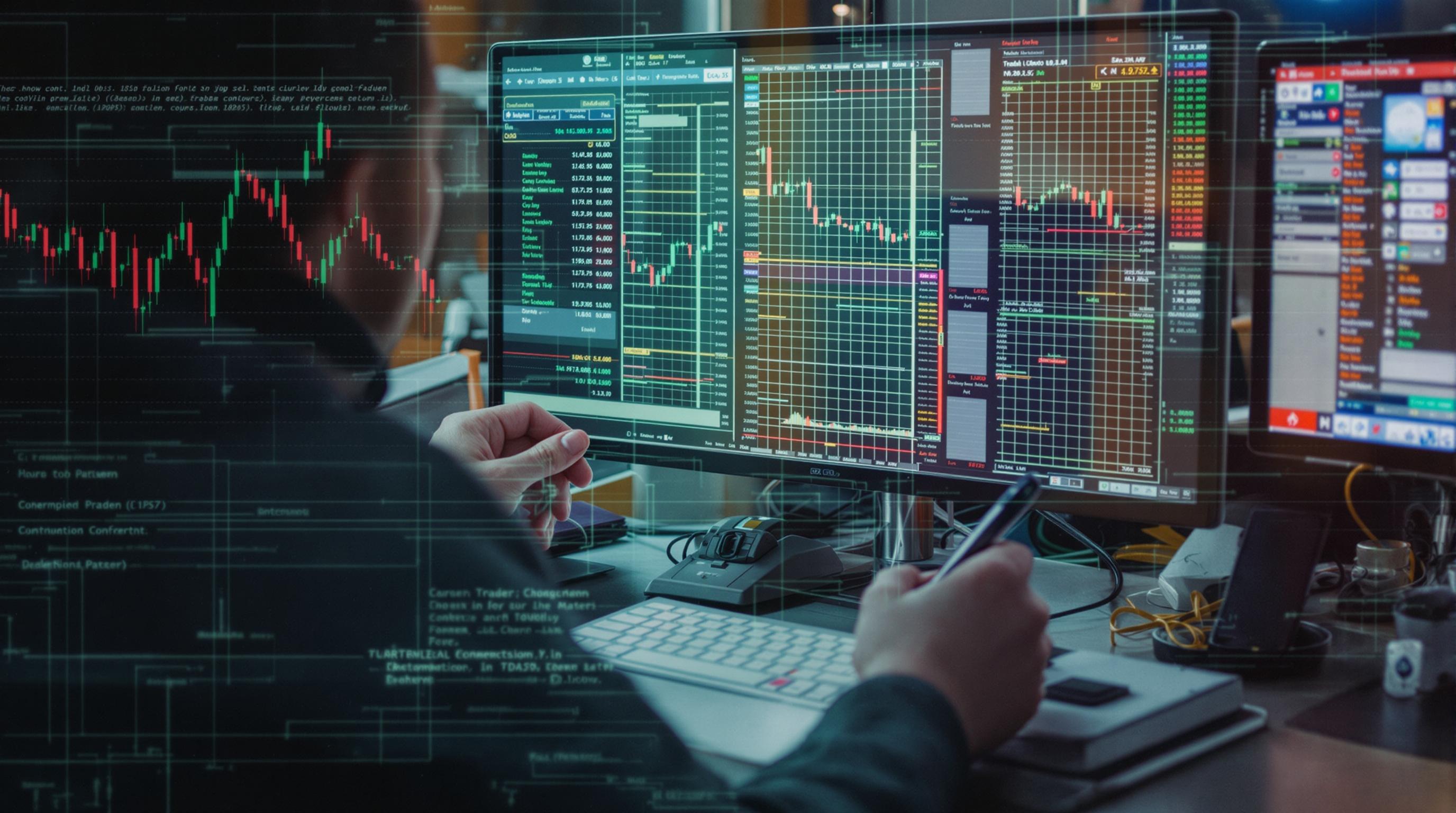
Understanding how seasonal trends influence currency traders can reveal hidden patterns that significantly affect their decision-making processes. By diving into case studies, statistics, and real-life examples, we will uncover the myriad ways in which these seasonal fluctuations shape a trader’s strategies and outcomes.
The Puzzle of Seasonal Trends
It’s a curious phenomenon. While many traders pour over sophisticated algorithms and charts, some often overlook an essential factor: seasonality. This isn't just about weather; it encompasses annual trends that can be tracked across different markets and currencies. For instance, the “January effect” is well-known in stock circles, but what about its relevance in currency trading? In fact, studies have shown that January can see excessive capital inflows, leading to potential price increases for various currencies.
Humor in Trading: Laughing All the Way to the Bank
Picture this: you’re sitting at your trading desk, reviewing your charts, and your phone pings. It’s a text from your friend asking, “Why are traders always so serious? Don’t they know that money can’t buy happiness?” You chuckle, yet deep down you know that those seasonal trends in currency trading can indeed affect one’s chances of joy—or misery—depending on your decision. It’s like asking why a farmer isn’t happy during a drought. The truth? Just as farmers depend on seasons, so must traders!
Statistics Don’t Lie
Statistics reveal that over the past decade, 72% of currency traders who aligned their decisions according to seasonal trends found favorable outcomes, according to a study by ForexMarketAnalysis.com. This staggering statistic suggests an underlying truth: there is power in recognizing patterns and adjusting strategies accordingly. Seasonal patterns occur globally, and understanding how to leverage these can mean the difference between profit and loss.
The Case of the Aussie Dollar
Let’s dive into a specific example that illustrates this point. The Australian Dollar (AUD) tends to strengthen during the summer months when the demand for Australian commodities rises. In July 2022, for instance, the AUD gained an impressive 5% against the USD, primarily driven by high demand for iron ore in China. Traders aware of this trend could have successfully capitalized on this seasonal uptick.
Seasonality: A Double-Edged Sword
Yet, while seasonal trends can provide advantages, there’s also a risk associated with them. Over-reliance on historical patterns can lead to blind spots, prompting traders to make decisions based on assumptions rather than current market conditions. As currency markets are unpredictable, relying solely on seasonal trends could be likened to gambling. “The market was supposed to behave this way last year; why isn’t it this time?” You might hear a confused trader mumble, but as every seasoned trader knows, markets can change like the weather!
Lessons from History
The beauty of history lies in its ability to inform the present. For instance, during the Great Recession of 2008, many traders failed to recognize how seasonal trends were disrupted by global economic instability. Currency fluctuations at that time demonstrated that the usual winter rally expected in many currencies didn't materialize. Such historical nuances underline the importance of adaptability in trading strategies.
Capturing the Christmas Rally
As the holiday season approaches, savvy traders often prepare for the “Christmas rally”. Historically, currencies like the USD see increased activity due to year-end financial adjustments. Reports from Bloomberg indicate a potential surge of 3% in the USD’s value during December, encouraging traders to act before the flurry of year-end transactions hits. Thus, understanding when to buy or sell can be your ticket to an early Christmas!
It's Not All Work: The Balance of Life and Trading
In the hustle of trading, balancing life can also be seasonal. You know that feeling when summer arrives and life seems just a bit easier? Surprisingly, the market behaves similarly. Many traders find they make more profitable trades in spring when optimism and activities ramp up. Get out, enjoy the beach, and perhaps, just maybe, the trade might also reflect the sunny disposition you carry!
The Seasons of a Trader
In truth, trading is more than mere numbers and graphs; it follows a rhythm akin to nature's own cycles. A young trader, perhaps about 22, who juggles school and trading, might find that they think clearer in the crisp fall air. Meanwhile, an older trader, 56, who has weathered storms and sunny days alike, may thrive in the reflective quiet of winter. Each of these seasons in trading brings different habits and outcomes, depending on experience and life circumstances.
Engaging with a Community
Connecting with fellow traders during specific seasons can also amplify your learning. Seasonal seminars or webinars often reveal unique insights into how best to navigate upcoming periods. In contrast, forums brimming with seasonal discussions can unearth strategies to reel in the rewards or avoid seasonal pitfalls. Engaging with the community can sometimes feel like gathering around a bonfire—warm, enlightening chats abound!
Unlocking Profits Through Creativity
Now, if there’s one message to remember, it’s that decision-making isn't a logical process alone; it’s creative too! Perhaps carry a creativity journal—where you jot down random thoughts and strategies that strike you throughout the season. Just as the seasons shift and surprise, creativity can lead to unlock profits in unexpected ways. Did you know that traders who frequently engage in creative activities report greater success rates? So, don’t hesitate to put on those thinking-outside-the-box glasses while analyzing your seasonal trends!
The Future of Seasonal Trading
One might wonder, what lies ahead for seasonal trading trends in currency? As technology evolves with algorithms becoming increasingly sophisticated, the interplay of seasonality and artificial intelligence offers exciting opportunities. Algorithms capable of analyzing vast historical seasonal data could potentially forecast the next trends, thus empowering traders. However, while technological advancements can shape the future, the human element of intuition remains irreplaceable. The combination may just be the next wave of trading success.
Conclusion: Navigating the Seasons Wisely
In conclusion, delving into seasonal trends can undoubtedly provide valuable insights for currency traders. Whether approached with humor, statistics, or historical case studies, the underlying patterns can help traders make informed decisions. It’s a dynamic, ever-changing landscape that requires balance, creativity, and adaptability. So keep those seasonal trends in mind, and who knows; it might just lead you to your next big trade!
Engage in the Journey
The journey of a currency trader isn’t just about profits; it’s about learning, adjusting, and perhaps even laughing along the way. Remember to celebrate both the wins and the misses, and remain attuned to the hidden patterns that seasonal trends unveil. Ready to embrace the waves of currency trading? Let's ride them together!