Related Articles
- The Influence of Urban Legends: How Folklore Shapes Investor Behavior in Today's Financial Landscape
- The Role of Personal Narratives: How Your Story Shapes Investment Choices and Risk Tolerance
- The Ripple Effect: How Social Media Influencers Steer Investor Sentiment in Unexpected Ways
- Beneath the Surface: Investigating the Silent Influence of Underground Economies on Legitimate Market Trends
- Navigating the Bizarre: The Influence of Esotericism on Modern Investment Strategies and Market Speculation
- Rethinking Risk: The Surprising Link Between Urban Architecture and Financial Instability in Emerging Markets
The Shadow Economy: Unveiling the Financial Impact of Informal Labor on Global Markets
The Shadow Economy: Unveiling the Financial Impact of Informal Labor on Global Markets
The shadow economy, often called the informal or underground economy, represents a tantalizing puzzle in global finance. This article delves into its vast implications, revealing how informal labor dynamics shape markets, influence policies, and impact economies worldwide.
What is the Shadow Economy?
The shadow economy encompasses all economic activities that occur outside formal structures and regulations. According to the International Labour Organization (ILO), informal workers make up 61% of the global workforce, which translates to approximately 2 billion people working without formal contracts, job security, or social benefits.
The Multifaceted Nature of Informal Work
Informal labor can take various forms, from street vendors and domestic workers to unregistered businesses and freelance gigs. It’s like a massive iceberg: what you see above the surface is just a fraction of what’s lurking below. One key component of informal labor is that it often caters to segments of the population that may be underserved by traditional labor markets, such as migrant workers, women, and the economically disadvantaged.
Statistics That Shock
Surprisingly, the shadow economy contributes over $10 trillion to the global GDP, according to a study by Schneider & Enste (2000). Just let that sink in for a moment. This significant figure highlights how much is at stake when we ignore informal labor's existence!
A Double-Edged Sword for Economies
While it might seem that informal work offers flexibility and opportunity, it also perpetuates economic vulnerabilities. Informal workers often lack access to reliable healthcare, social security, and retirement plans. Imagine working tirelessly but having no safety net if financial hardships hit!
The Good, the Bad, and the Ugly: Case Studies
Consider the case study of Brazil, where more than 40% of workers are in the informal sector. While they provide essential services and contribute to the economy, their lack of legal recognition means they pay no taxes, leaving the government with fewer resources for public goods and infrastructure. This creates a cycle of dependence on the formal economy while simultaneously fueling its decline.
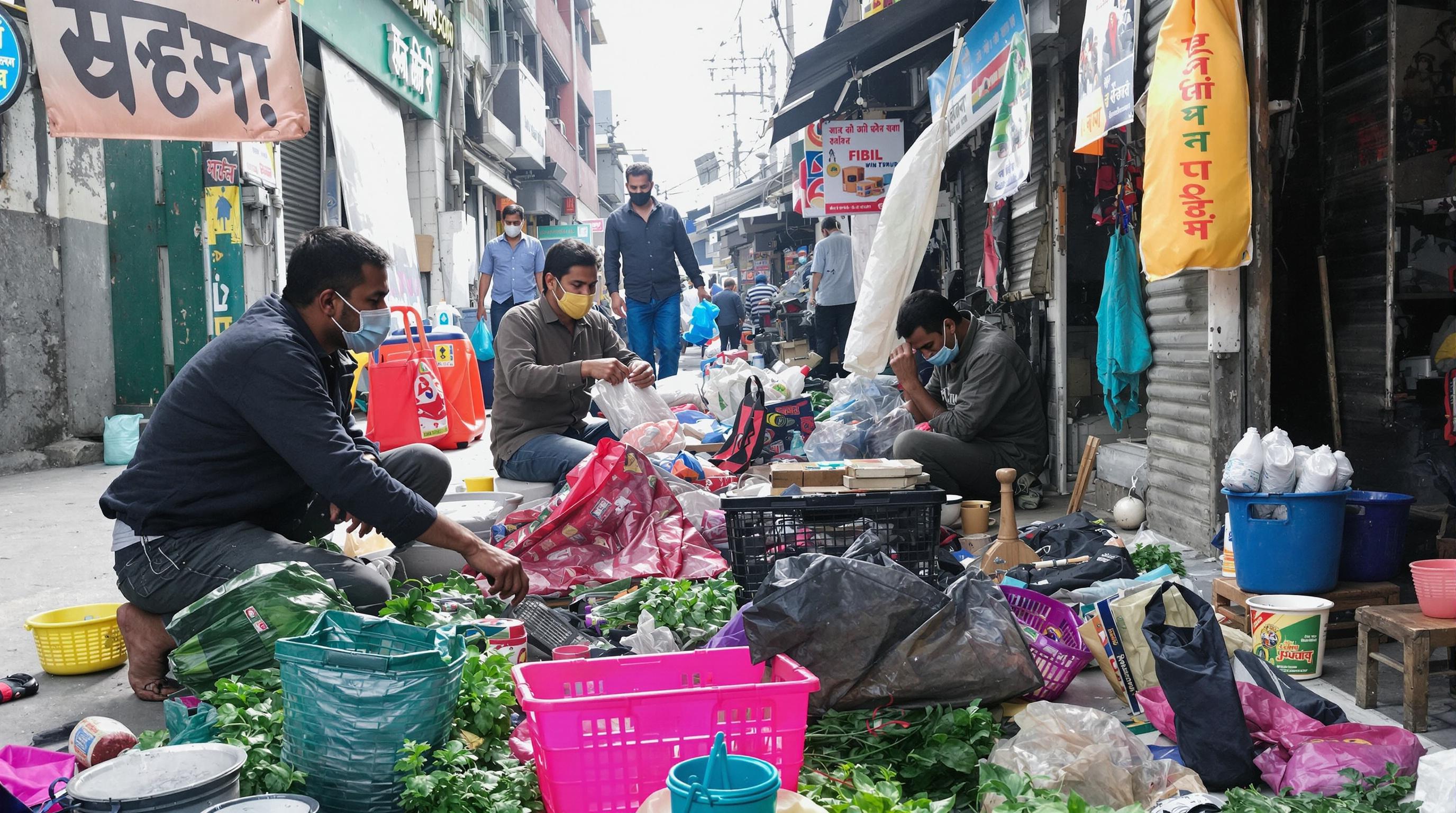
On the other hand, places like India show the resilience of informal labor in bustling cities. Street vendors support local economies by providing affordable products and services while creating a sense of community. They demonstrate the integral role of informal labor in catering to local demands and highlighting cultural flavors.
The Economic Ripple Effect
When you think about the shadow economy, you should also consider its ripple effects. For instance, when informal sectors thrive, they can influence formal markets by introducing competition, lowering prices, and even inspiring innovation! However, they can also disrupt traditional economic systems, leading to instability and unpredictability.
Policy Implications and Challenges
Governments around the world often grapple with how to address informal labor effectively. Some countries have made strides by implementing inclusive policies to integrate informal workers into the formal economy, while others have resorted to stringent regulations that push workers further underground. There is no one-size-fits-all solution.
A Personal Story: The Journey of a Street Vendor
Let’s shift gears for a moment and take a closer look at a typical journey. Meet Maria, a street vendor in the heart of Mexico City. She sells traditional tacos to support her family. While the bustling streets provide her with a steady stream of customers, Maria often grapples with the reality of working without health insurance or job security. If she is sick and cannot work, her family's income dries up.
Maria’s story is a representation of countless informal workers navigating the shadow economy daily. Her hopes for a better future echo a universal desire for economic stability and security.
How The Global Pandemic Amplified Informality
The COVID-19 pandemic exacerbated existing vulnerabilities in the shadow economy. According to the ILO, informal workers were hit particularly hard, losing jobs at a higher rate than their formal counterparts. This pronouncement caused many countries to revisit their policies concerning informal labor, recognizing the need for protection and support during crises.
Balancing Act: Economics, Ethics, and Rights
There’s a delicate balance between the economic benefits of the shadow economy and the ethical implications of informal labor practices. On one hand, a vibrant informal sector fosters creativity and adaptability, while on the other, it raises questions about labor rights and working conditions. How do we create more inclusive and sustainable economic environments for these workers?
Moving Forward: Strategies for Integration
Inclusivity is key. As a world, we must strive towards integrating informal workers into formal systems with policies that recognize their contributions. This can include providing basic rights, access to social security, and fostering an environment that encourages entrepreneurship.
Brighter Futures: Innovations and Technology
Interestingly, technology plays a pivotal role in the future of informal labor. Mobile applications are being developed in many settings, enabling informal workers to connect with clients, manage transactions, and even access credit. For example, platforms like Hello Tractor in Africa empower farmers by connecting them with tractor owners, thereby optimizing agricultural productivity.
And Let's Not Overlook Humor!
Sometimes, amidst the chaos of economic struggles, humor provides relief. Imagine a street vendor who sets up shop at a busy intersection, equipped with a portable radio blasting funky tunes and dancing as customers gleefully line up. "Why did the taco cross the road? To get to the hungry customer on the other side!", she quips with a laugh. It’s in these moments that one realizes the undeniable spirit and resilience of informal workers.
To Conclude: A Call to Action
The shadow economy is a vast and complex landscape deserving of our attention. While acknowledging its benefits, we must also galvanize efforts to address the challenges faced by informal workers. Governments, organizations, and individuals alike must unite to champion policies that ensure equitable treatment and security for all workers, regardless of their economic status. The future of our global economy may very well hinge on our collective response to the shadow economy.
Read More