Related Articles
- The Influence of Urban Legends: How Folklore Shapes Investor Behavior in Today's Financial Landscape
- The Role of Personal Narratives: How Your Story Shapes Investment Choices and Risk Tolerance
- The Ripple Effect: How Social Media Influencers Steer Investor Sentiment in Unexpected Ways
- Beneath the Surface: Investigating the Silent Influence of Underground Economies on Legitimate Market Trends
- Navigating the Bizarre: The Influence of Esotericism on Modern Investment Strategies and Market Speculation
- Rethinking Risk: The Surprising Link Between Urban Architecture and Financial Instability in Emerging Markets
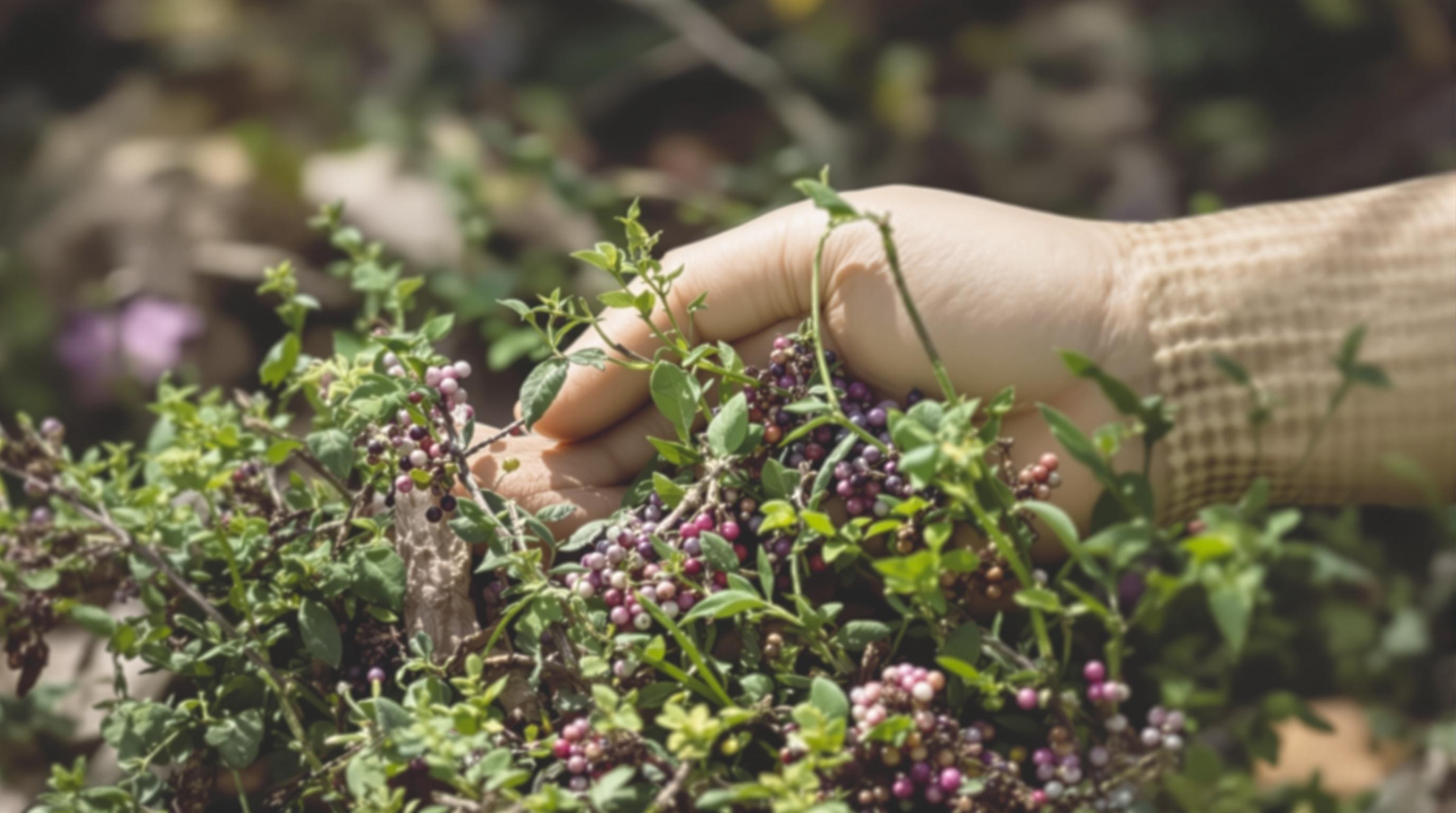
The Invisible Hand of Nature: Examining Biodiversity's Role in Shaping Future Economic Policies
The Invisible Hand of Nature: Examining Biodiversity's Role in Shaping Future Economic Policies
The intricate dance between biodiversity and economic policies is often overlooked, yet it holds the key to a sustainable future. By understanding how nature's diversity influences economies, we can formulate policies that not only promote wealth but also preserve the natural world.
The Science Behind Biodiversity
Biodiversity refers to the variety of life on Earth, encompassing ecosystems, species, and genetic diversity. According to the World Wildlife Fund, a shocking loss of *68% of vertebrate populations* was recorded between 1970 and 2016 due to human activity (WWF, 2020). This decline is not just an environmental dilemma but an economic one, as nature’s services—like pollination, water purification, and climate regulation—are fundamental to our economies.
Why Should We Care?
Let’s face it: most people are more motivated by dollars than dewy leaves. A recent study by the *Nature Conservancy* indicates that investing in natural capital could yield a return of *$3 for every $1 spent* (Nature Conservancy, 2021). This isn't just tree-hugging rhetoric; it’s cold, hard cash talking, and it’s about time we start blending environmental goals with economic incentives.
A Day in the Life of Biodiversity
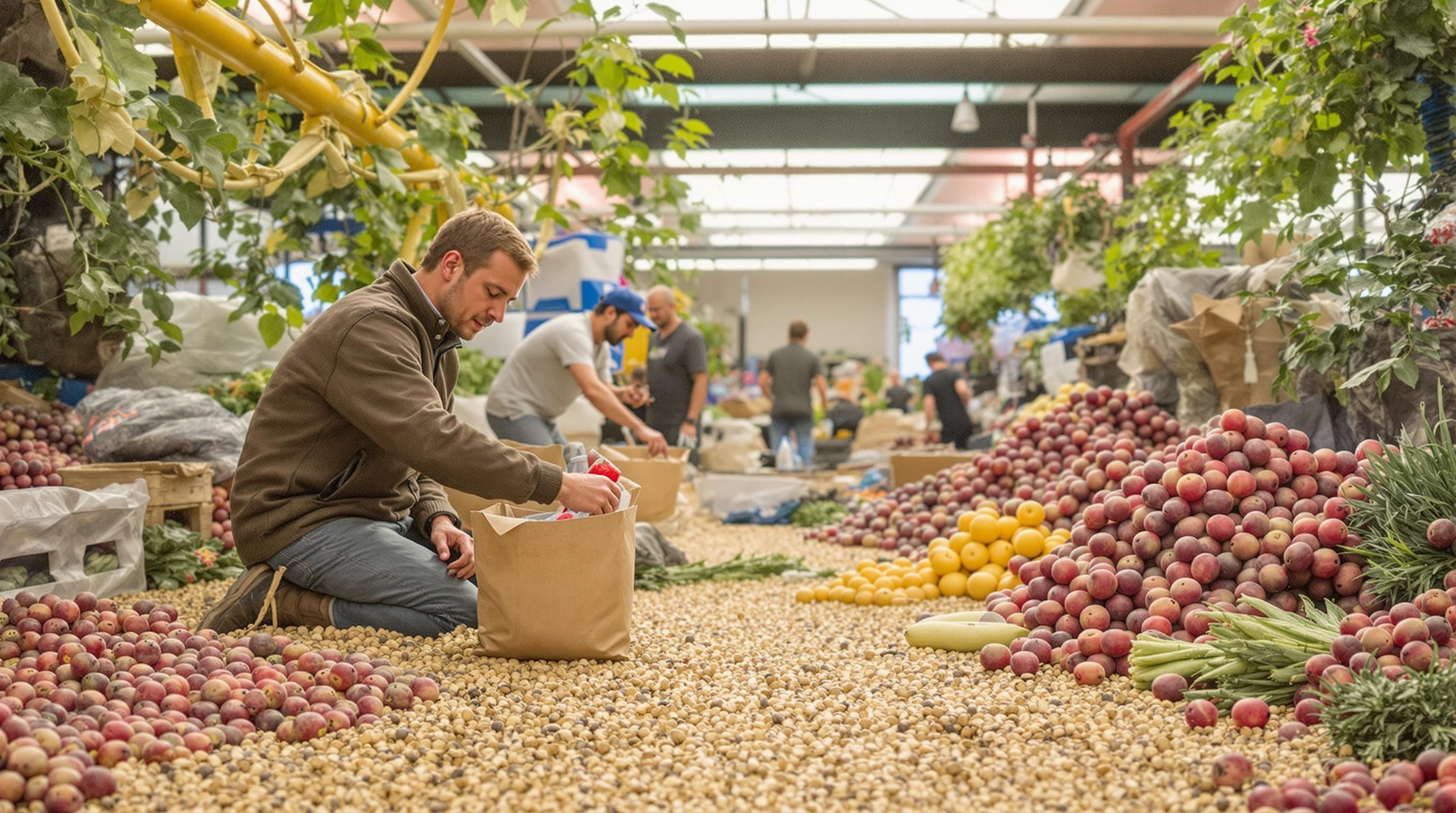
Imagine waking up in a world where bees no longer buzz, fish have vanished from rivers, and fruits and vegetables have become luxuries due to a lack of pollination. Sounds grim, right? Yet, that’s precisely what could happen if we don’t start prioritizing biodiversity in our economic policies. The United Nations has reported that about 1 million species are currently at risk of extinction, many within decades (UN Biodiversity, 2020). The unfortunate truth is that human activities such as deforestation, pollution, and climate change are the culprits.
Case in Point: Costa Rica
Costa Rica serves as a shining example of economic growth fueled by biodiversity. In the 1990s, Costa Rica faced severe deforestation rates, which prompted the government to implement payment for ecosystem services (PES) programs. These programs paid landowners to maintain forest cover, leading to a *50% increase in forested areas by 2017* (González, 2018). As a result, not only did biodiversity thrive, but ecotourism became a significant economic driver, proving that conservation can coexist with, and even enhance, economic opportunities.
Shifting Perspectives
It’s time to shift our perspective from viewing nature as an obstacle to seeing it as an asset. Yes, economic growth is essential, but it doesn’t have to come at the cost of our planet. By integrating biodiversity into economic discussions, we can foster a new relationship with nature, where economic policies support environmental sustainability. A study from the *International Institute for Environment and Development* found that adopting sustainable practices can lead to increased revenue in sectors like agriculture and tourism—proving that it's not a choice between economy and ecology, but a choice for a unified approach (IIED, 2021).
The Next Generation of Economists
As an 18-year-old passionate about both nature and economics, I often wonder how we—my generation—will reshape these prevailing narratives. Will we accept outdated mindsets that prioritize short-term gains over long-term sustainability? Or will we step up and demand policies that reflect our values? The Youth Climate Summit has already shown that young people are ready to lead the charge, emphasizing the need for a holistic approach where social equity and environmental health sit at the policy-making table alongside economic indicators.
The Invisible Hand—But With a Green Glove
Adam Smith’s metaphor, the Invisible Hand, suggests that individuals pursuing their self-interest leads to societal benefit. However, if we consider the “Invisible Hand of Nature,” we might realize that a well-functioning ecosystem is critical to our economic prosperity. Investing in biodiversity is no longer optional; it’s a necessity that requires policy frameworks to align with ecological realities. As the world grapples with climate change, the intersection of biodiversity and economic policies is critical to our collective future.
Statistics That Speak Volumes
It’s hard to argue against numbers. Did you know that over *80% of the world's food supply* relies on pollination? Furthermore, ecosystems provide services worth approximately *$125 trillion annually*. If we neglect these invaluable resources, society may face staggering costs in healthcare, infrastructure, and food production. Policymakers must understand that safeguarding biodiversity is not merely an environmental responsibility; it is a smart strategy to sustain economic growth.
Humor in a Serious Topic
Okay, let’s lighten the mood a little—imagine if trees could talk. They'd probably say, “Hey, stop cutting us down, it's bad for business!” But seriously, if plants could negotiate, they’d likely enforce strict conservation laws, demanding a minimum number of trees per city! It’s funny to think about, but it also highlights a reality: just as one must advocate for their interests, we must also advocate for the interests of nature. Who’s stopping you from being a voice for Mother Earth?
What Can We Do?
So, what can you, a concerned citizen, do in your everyday life? It starts with awareness. Educate yourself about local ecosystems and support local businesses that prioritize sustainable practices. Participate in conservation projects and advocate for environmental protection policies. By voting for leaders who recognize the importance of biodiversity, you can help shape policies that affect future generations. Remember, each action counts—kind of like every bee in a hive!
A Future Worth Fighting For
As we contemplate the future, it becomes clear that integrating biodiversity into economic policy isn’t merely an option; it’s imperative. The world stands at a crossroads, where decisions made today will resonate for decades to come. By weaving nature's invisible hand into our economic strategies, we can forge policies that yield prosperity for all—humans and wildlife alike. Another statistic to leave you with: *restoring ecosystems could provide $30 trillion in global economic benefits annually* (Intergovernmental Science-Policy Platform on Biodiversity and Ecosystem Services, 2019). Wouldn't that be a future worth fighting for?
Final Thoughts
Ultimately, this is not just a battle for biodiversity; it’s a fight for our economic well-being, social justice, and ultimately, our survival. The evidence is clear: we can no longer ignore the role nature plays in our economic systems. It’s time to harness the invisible hand of nature and allow it to guide our policies toward a future that respects both ecological and economic balance.
Read More