Related Articles
- The Influence of Urban Legends: How Folklore Shapes Investor Behavior in Today's Financial Landscape
- The Role of Personal Narratives: How Your Story Shapes Investment Choices and Risk Tolerance
- The Ripple Effect: How Social Media Influencers Steer Investor Sentiment in Unexpected Ways
- Beneath the Surface: Investigating the Silent Influence of Underground Economies on Legitimate Market Trends
- Navigating the Bizarre: The Influence of Esotericism on Modern Investment Strategies and Market Speculation
- Rethinking Risk: The Surprising Link Between Urban Architecture and Financial Instability in Emerging Markets
The Fringe Impact: How Underground Economies Challenge Traditional Market Paradigms
The Fringe Impact: How Underground Economies Challenge Traditional Market Paradigms
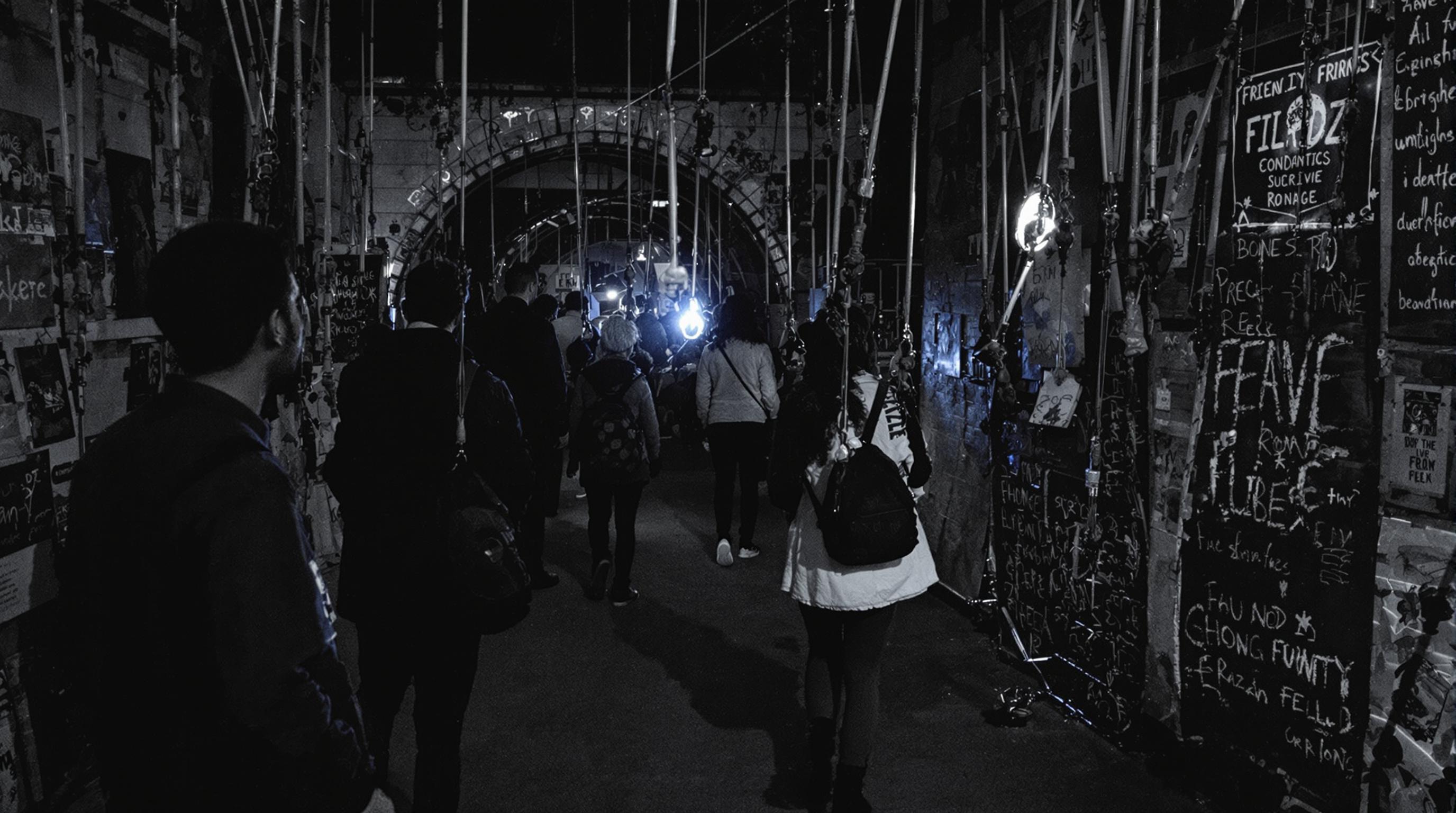
The fringe economy is a burgeoning segment that exists just outside the bounds of traditional market structures, challenging how we understand commerce and social interaction. By examining the nuances, examples, and implications of these underground economies, we can glean crucial insights into the future of traditional markets.
The Rise of the Fringe Economy
In the past decade, the concept of the underground economy has gained traction, driven by a combination of technological advancements and socio-economic factors. According to a 2021 report by the International Monetary Fund, nearly 15% of global GDP is generated by informal economic activities, demonstrating just how significant these fringe economies have become.
The Technological Catalyst
Let’s kick things off by talking about technology. The rise of the gig economy, catalyzed by platforms like Uber, Airbnb, and Etsy, has shifted traditional employment paradigms. Unexpectedly, these platforms empower individuals to monetize personal assets or skills in ways that challenge conventional business models. An example? Freelance graphic designers now can sell their services globally through online platforms, bypassing traditional agencies, which historically held a monopoly over creative professions.
Shifting Cultural Narratives
In many ways, the rise of underground economies is not merely a financial revolution; it’s a cultural one. People no longer view jobs through the same prism of stability that previous generations did. Many young adults, mirroring shifting values, now prefer freelancing over a 9-to-5 job, advocating for flexibility and autonomy as cornerstones of a fulfilling working life.
Case Study: The Road to Cryptocurrencies
Take cryptocurrencies as a prime example of this change. Originally developed as a decentralized alternative to traditional currencies, Bitcoin and other altcoins have evolved into economic lifelines for many. A 2020 report from Chainalysis found that over 80% of crypto transactions were for illicit purposes, showcasing how these digital currencies can skirt around governmental regulations, thus living in the proverbial shadows of the economy.
Cultural versus Economic Impact
While many applaud this cultural shift, others express concerns about the economic implications. The growing popularity of underground jobs raises questions about tax evasion—how do governments adapt when significant portions of income go unreported? For instance, in countries like Nigeria, where an estimated 63% of employment occurs in the informal sector, the government struggles to implement effective tax policies, leading to an ever-widening fiscal gap.
The Humor in Non-Traditional Work Landscapes
Okay, let's take a moment for a chuckle. Ever met a professional dumpster diver? Yes, you read that right! Some individuals have turned a wasteful task into a vibrant community and a profitable venture. They’re called "Freeganists," and they proudly claim to live off the waste of others. What’s their secret? They see what many reject as trash and turn it into treasures—all while avoiding the traditional marketplace. It’s a win-win, and who knew that "free" could be a career option?
Implications for Traditional Markets
The influence of fringe economies stretches far beyond mere aesthetics. They challenge the very foundational constructs of our market systems—competition, pricing, and value measurement. For instance, when someone offers their taxi service at a fraction of the cost through a ride-sharing app, they disrupt not only traditional taxi companies but also alter customer expectations around pricing and service. This is not just a blip on the radar anymore; it's a full-blown revolution.
Adaptation and Resistance
Resistance, however, is often met with adaptation. Traditional businesses are trying to pivot and respond to these changes by diversifying their offerings and embracing technology. Take Starbucks, which has introduced mobile ordering to compete with independent coffee trucks that often sell brews at significantly lower prices. Companies that can’t adapt face the risk of obsolescence—only time will tell who will rise and who will fall.
Relevance for Younger Consumers
The younger generation—essentially consumers aged 16 to 35—are particularly attuned to these shifts. They’re digital natives, having grown up with apps and online marketplaces that redefine access to goods and services. Under their influence, expectations around transactions are evolving, often calling for more transparency and ethical practices. Thus, traditional businesses can no longer thrive on status quo and must reassess their engagement strategies.
The Sociopolitical Dimensions
Consider the sociopolitical implications, particularly around labor rights and protections. The rise of gig work means that millions of workers operate without labor protections typically afforded to traditional employees. In a 2019 report by the Bureau of Labor Statistics, around 1 in 10 Americans participated in the gig economy, raising alarms about health benefits, job security, and workers' rights. Policymakers are, at this moment, grappling with how to protect these workers without stifling the flexibility and freedom many find appealing in such roles.
Stories from the Underground
Let’s delve into storytelling for a moment. Meet Jenny, a college student turned vintage reseller. With a keen eye for thrift-store treasures, she began selling on platforms like Poshmark and Depop, making a comfortable income while sneaking in study breaks. Jenny sees herself as part of a larger movement—students across the globe embracing rigorous side hustles to mitigate educational debts. Could her story be the jersey for an entire generation's entrepreneurship?
Environmental Considerations
Moreover, underground economies often bring unexpected environmental advantages. By promoting upcycling and local resourcefulness, these fringe markets encourage sustainable practices. For example, initiatives like community gardens or DIY crafts capitalize on available resources instead of tapping into mass production. This reduces waste and carbon footprints—an emerging benefit that traditional markets might not be championing.
The Legal Quagmire
However, let us not forget the complications of legality. Many fringe economy participants find themselves walking a tightrope with regulations. Take the rise of short-term rental platforms like Airbnb; while they offer homeowners a way to monetize their properties, they often clash with zoning laws, kickback agreements, and neighborhood regulations. This tug-of-war presents a conundrum for lawmakers who must balance innovation with public interest.
Statistics That Speak Volumes
According to Oxford University’s research in 2022, it’s estimated that the gig economy can generate upwards of $400 billion by 2025 in the U.S. alone. Simultaneously, the World Bank reported in 2020 that the informal sector had shown remarkable resilience during economic downturns, often propping up entire communities during times of crisis. Consequently, the implications of this burgeoning sector extend far beyond the restrictive definitions of traditional economies.
Looking to the Future
As we move toward an uncertain future, the challenges posed by fringe economies are here to stay. The emergence of decentralized finance (DeFi) and other innovations are bound to further unsettle market paradigms. This will compel traditional sectors not just to adapt but to embrace the unpredictability that comes hand-in-hand with this new market reality.
The Ultimate Takeaway
Ultimately, the fringe economy poses both challenges and opportunities. For traditional markets, this is no longer a question of resisting change; it is about embracing fluidity. If businesses can learn to harness these underground trends, they stand to gain invaluable insights—possibly paving the way for a more sustainable, equitable, and vibrant economic landscape.
In conclusion, as the fabrics of commerce continue to evolve, the fringe economy and its myriad manifestations will redefine how we navigate, partake in, and understand economic interactions. Both parties—traditional businesses and fringe participants—must be willing to learn from one another as they plunge into this brave new world.
Read More