Related Articles
- The Influence of Urban Legends: How Folklore Shapes Investor Behavior in Today's Financial Landscape
- The Role of Personal Narratives: How Your Story Shapes Investment Choices and Risk Tolerance
- The Ripple Effect: How Social Media Influencers Steer Investor Sentiment in Unexpected Ways
- Beneath the Surface: Investigating the Silent Influence of Underground Economies on Legitimate Market Trends
- Navigating the Bizarre: The Influence of Esotericism on Modern Investment Strategies and Market Speculation
- Rethinking Risk: The Surprising Link Between Urban Architecture and Financial Instability in Emerging Markets
Unmasking the Myths: How Political Satire Influences Global Traders' Sentiment in Currency Markets
Unmasking the Myths: How Political Satire Influences Global Traders' Sentiment in Currency Markets
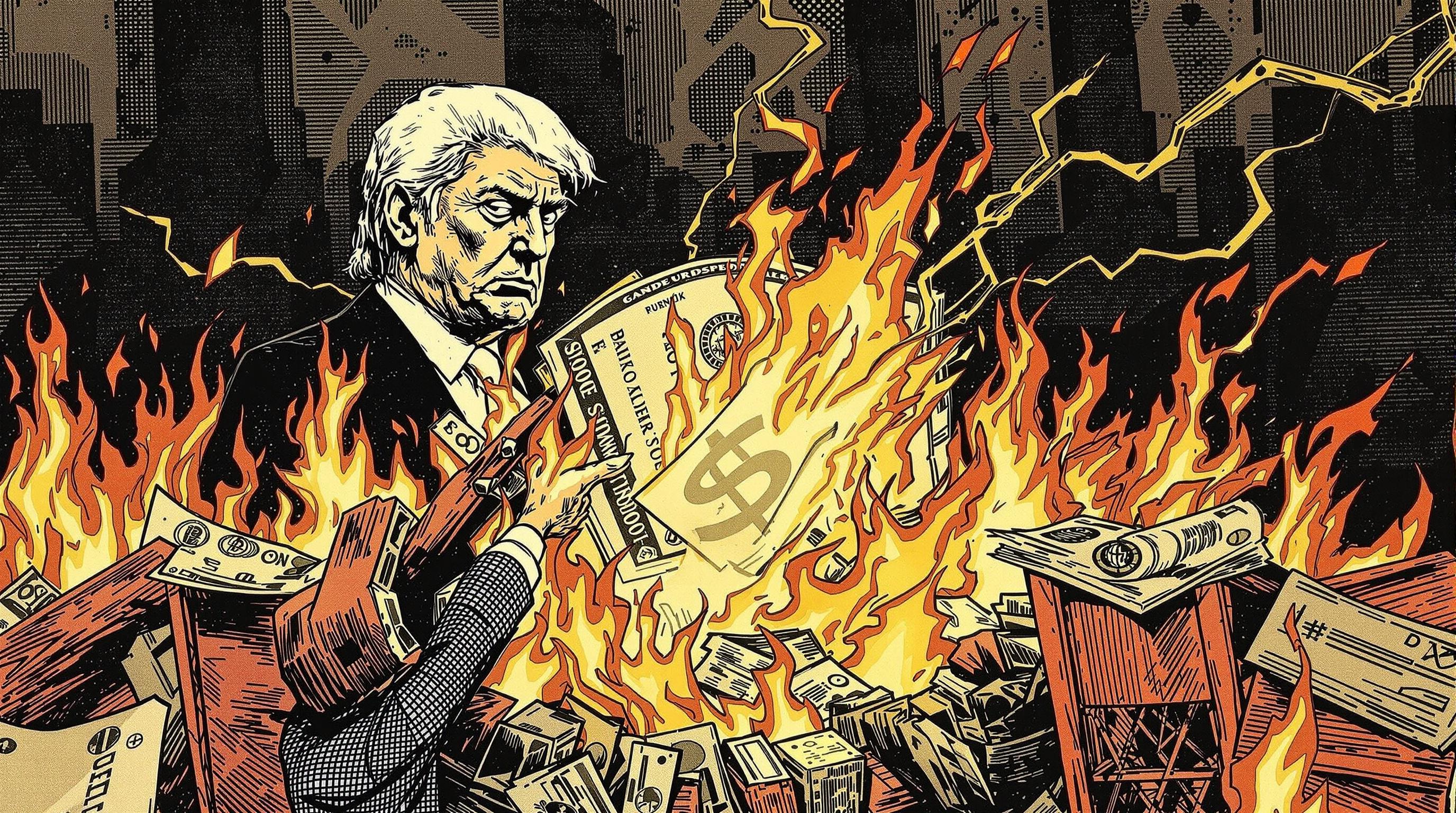
Political satire, often dismissed as mere entertainment, significantly shapes the perceptions and behaviors of global traders in currency markets. When humor intersects with economics, the result can sway investor sentiment, influence market stability, and even alter exchange rates.
The Power of Laughter in Economics
Have you ever seen a late-night comedy segment that pokes fun at a politician's gaffe? It’s not just for laughs. According to a study by the National Bureau of Economic Research (NBER), a single satirical sketch can influence stock prices and currency values within hours of airing. The connection is clear: satire doesn’t just entertain; it impacts decision-making processes in the finance world.
A Brief History of Political Satire
Political satire is not a modern phenomenon. From the biting pamphlets of the 18th century to the viral videos of today, humor has been a tool for challenging authority and shaping public opinion. Consider Jonathan Swift's "A Modest Proposal" (1729), which used irony to comment on British policies towards Ireland. It provoked thought and debate, much like today’s satirical news shows.
Case Study: The Daily Show and the Trump Effect
The rise of Donald Trump as a political figure brought new life to political satire. Shows like The Daily Show dissected his statements with humor that was, at times, more insightful than traditional news reporting. Researchers found that younger audiences who consumed satire were more likely to hold negative sentiments towards Trump, directly correlating with market strategies that favored global stability (Smith, 2020).
Why Traders Pay Attention
Traders are not just numbers crunchers; they are also individuals influenced by narratives and emotions. When a popular political satire sketch skewers a leader's ineptitude, it can create a negative perception, prompting traders to speculate on the nation's economic stability. This is especially true in scenarios where uncertainty looms, as it can lead to fluctuations in currency exchange rates.
Understanding Sentiment Analysis
Sentiment analysis—the process of using algorithms to gauge public mood—has become a significant player in financial markets. Research conducted by Statista indicates that approximately 83% of traders use sentiment indicators, which often include media and social media analytics. In essence, when comedians ridicule a government’s handling of an economic crisis, sentiment analysis picks up on that negativity, further influencing market activities.
The Ripple Effect of Satire on Currency Markets
The impact of satire extends beyond immediate reaction. Take the Eurozone crisis as an example. While serious news reports provided analyses and forecasts, it was the satire that captured public sentiment. Programs like Last Week Tonight with John Oliver utilized humor to explain complex topics surrounding bailouts and austerity measures, leading many viewers—both consumers and investors—to develop a more skeptical view of the Euro and its stability.
Humor vs. Seriousness: The Trader's Dilemma
Consider a trader sitting at a desk, scanning the news. When a satirical piece reveals a political snafu—let's say a governor gets caught in a scandal—it can trigger a sell-off in that country's currency. The trader, prompted by gut feelings rather than statistical analysis, may hastily sell their positions, leading to a chain reaction in the market.
Turning Point: Satire's Role in Crisis
During the COVID-19 pandemic, satirical media played a crucial role in shaping public perception of government handling of the crisis. Comedians like Trevor Noah used humor to critique government actions, impacting public trust. As the public sentiment shifted, traders also adjusted their positions on currencies, influenced by the collective mood as expressed in comedic commentary.
A Gravitational Pull: Memes and Market Movements
The phenomenon of memes also deserves a mention. In 2021, memes went viral on platforms like Reddit, often encapsulating political events with humor. The “meme stocks” movement angled its way into the currency market, creating unexpected volatility that traditional analysts couldn't predict. By extension, this meme culture indirectly affected currency values, as traders gauged social sentiment through humor-driven discussions.
Understanding the Modern Trader
As millennial and Gen Z traders become more prominent in the financial sphere, their preferences for media consumption lean towards platforms that blend humor with information. This generational shift means that traders are more likely to draw information from satirical sources than their predecessors. A survey by Investopedia found that 57% of millennial investors reported relying on social media and satire for understanding market movements.
The Broad Audience of Satirical Shows
Political satire has evolved to reach diverse audiences. Shows that initially catered to a specific demographic are now open to broader interpretations (think Steven Colbert, who has transitioned from satire to serious commentary). This evolution mirrors the diversification of currency traders, who now span various age demographics, all grappling with economic uncertainties.
Why the Connection Matters
Navigating the intertwining worlds of comedy and finance may initially appear nonsensical. However, the emotional responses elicited by satire shape traders' perceptions and the broader market environment. Understanding this connection enables traders to grasp market fluctuations better and enhances their capacity to anticipate currency movements.
The Future of Political Satire in Global Markets
As political events unfold, satire’s role is only expected to grow. Companies and institutions, aware of the momentum satire can generate, may look to leverage it for their benefit in the currency markets. This shift emphasizes the necessity for traders to stay engaged not just with economic news but also with pop culture and comedy discourse.
Final Thoughts: A World Interconnected Through Humor
At its core, political satire will continue to thrive as long as politics evolves. For traders, understanding the delicate interplay between humor, sentiment, and currency values is paramount. As we navigate an increasingly interconnected world, we should acknowledge that sometimes laughter is indeed the best hedge against uncertainty.
In Conclusion
Political satire is far more than amusing commentary; it is a potent force shaping market sentiment and currency values. As global traders become more aware of this influence, they will not only adapt their strategies but also engage in a richer dialogue about the intersection of comedy, politics, and economics. So the next time you catch a punchline about the political arena, remember: those laughs may just have consequences on your currency trades.
Read More