Related Articles
- The Influence of Urban Legends: How Folklore Shapes Investor Behavior in Today's Financial Landscape
- The Role of Personal Narratives: How Your Story Shapes Investment Choices and Risk Tolerance
- The Ripple Effect: How Social Media Influencers Steer Investor Sentiment in Unexpected Ways
- Beneath the Surface: Investigating the Silent Influence of Underground Economies on Legitimate Market Trends
- Navigating the Bizarre: The Influence of Esotericism on Modern Investment Strategies and Market Speculation
- Rethinking Risk: The Surprising Link Between Urban Architecture and Financial Instability in Emerging Markets
Rethinking Forex: How Historical Cartography and Ancient Trade Routes Shape Modern Currency Strategies
Rethinking Forex: How Historical Cartography and Ancient Trade Routes Shape Modern Currency Strategies
Rethinking Forex is essential as we navigate the complex currents of modern currency strategies informed by the legacy of historical cartography and ancient trade routes. By exploring the interconnectedness of ancient economies and their influence on contemporary forex practices, we can glean insights into future currency trends.
The Legacy of Trade Routes
When we think of the Silk Road, some might picture images of bustling marketplaces in ancient Persia or the exotic spices that flowed from the East via perilous routes. But the Silk Road was more than a series of roads—it was a vibrant artery of commerce that paved the way for cultural and economic exchange. For traders back then, knowing how to navigate these treacherous paths was akin to having a GPS in the modern day!
Mapping the Past's Influence
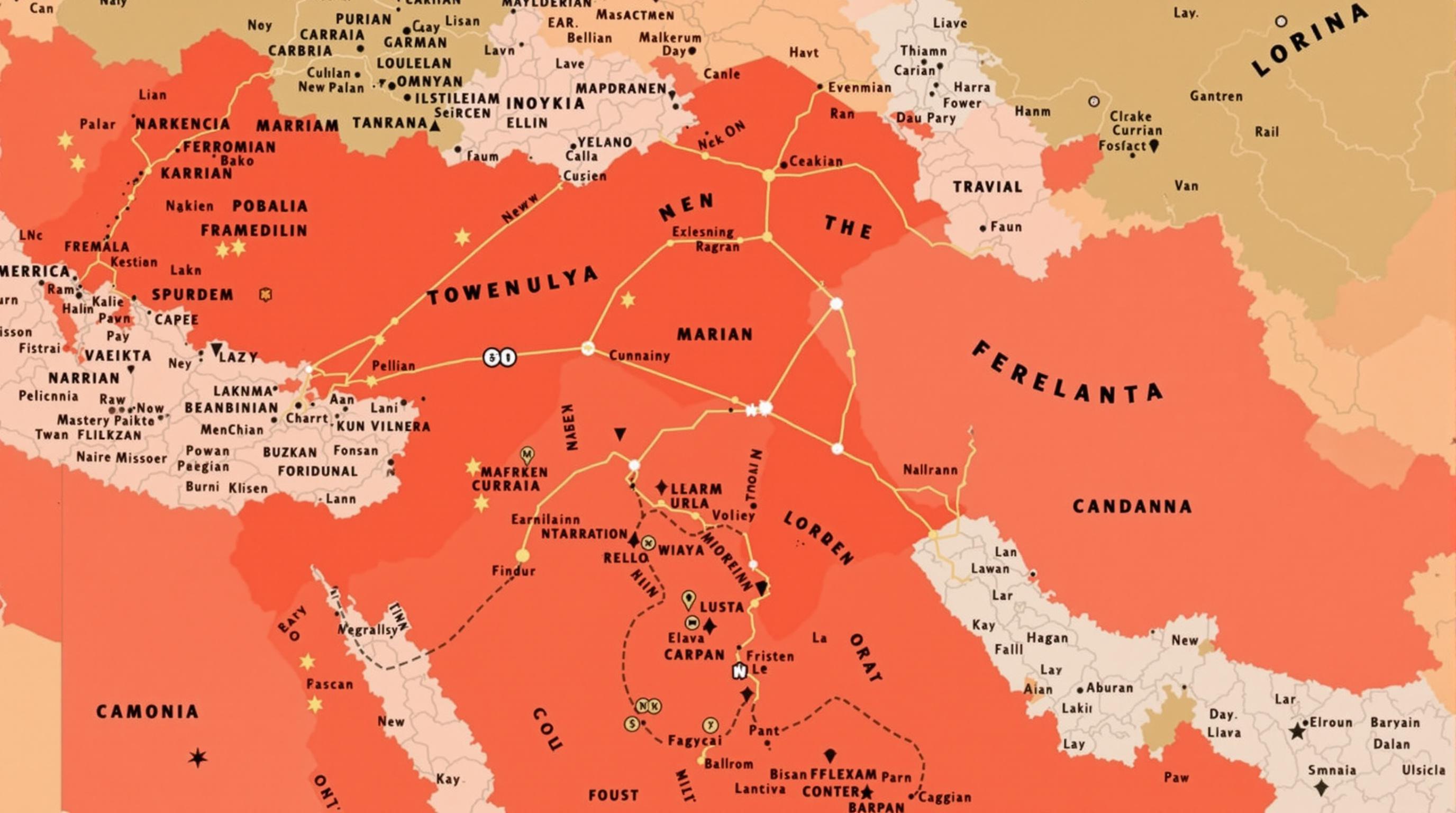
Historical cartography offers more than just beautiful maps; it provides insights into the economic undercurrents that existed centuries ago. Geography dictated the needs of commerce, shaping trade routes that still have repercussions today. Just like how traders once relied on ancient maps to understand the landscape, modern forex traders benefit from similarly strategic insights drawn from these historical contexts.
Global Perspectives: The Ancient Meets the Modern
The famed geographical feature of the Mediterranean Sea served as the hub for trade among ancient civilizations. Goods such as silks and spices changed hands, but what about currency? The use of coinage revolutionized trade, just as digital currencies are reshaping forex markets today. According to a report by the Bank for International Settlements, over $6.6 trillion is traded daily in forex markets; that's more than the GDP of all but a handful of countries combined!
A Rich Tapestry of Cultures
The merchants of the past were not merely trading in goods; they were also exchanging ideas and cultures. From the Phoenicians navigating the waters of the Mediterranean to the Arabian traders connecting the East and West, these networks laid the groundwork for economic strategies we still recognize in modern marketplaces. What can we learn from their diverse methodologies to apply to our own strategies in the forex realm?
Case Study: Currency in Antiquity
Take a look at ancient Rome, where the introduction of the denarius became a watershed moment detailing how currency shapes economies. The Romans meticulously controlled currency value to ensure that trade remained stable across their vast empire. Fast forward nearly two millennia, and the basics remain the same—successful forex strategies rely heavily on controlling currency perception. As a forex trader today, understanding how historical empires stabilized their money can inspire practices still relevant today.
Currency Evolution: The Role of Innovation
Each era has its currency innovations, from the introduction of paper money to the rise of digital currencies like Bitcoin. Just as merchants adopted new methods to make transactions smoother, forex traders must adapt to the digital landscape. A recent survey by Deloitte indicates that almost 80% of financial institutions are exploring blockchain technologies. By analyzing past innovations through the lens of ancient trade practices, we can assess current trends and adapt our strategies accordingly.
Storytelling with Currency
One of the most fascinating aspects of historical trade routes is how they continue to tell stories today. Imagine a merchant holding a piece of gold coin from the Ming Dynasty—what stories would it tell about trade between Asia and the rest of the world? These stories now shape the forex market as traders leverage patterns, cultural histories, and even psychological behaviors to forecast currency movements. Your own forex strategy can benefit from these colorful narratives!
Understanding Cultural Nuances
When engaging in forex trading, it's easy to get lost in the numbers and charts. However, ancient trade routes remind us that culture plays a vast role in economic behavior. For instance, looking back at the importance of relationships in Arab trading practices, one can infer that modern forex trading isn't just about dollars and euros; it's also about building connections. A good idea, especially in an increasingly global landscape, is to consider cultural factors and their influence on market sentiments.
Looking Ahead: The Forex Cartographer
Just as ancient cartographers mapped the world, modern forex traders can become "cartographers" of their own financial landscapes. By merging ancient knowledge with contemporary technology, traders can more accurately predict currency movements. Using AI-powered platforms that analyze historical data can act as a modern-day compass to help traders navigate the unpredictable waters of foreign exchange.
Statistics to Back the Strategy
Statistical analysis is crucial in forex trading. According to Statista, around 54% of all forex trades involve major currencies like the USD, EUR, or JPY. By understanding the historical strengths and weaknesses of these currencies through the context of ancient trade, traders can better gauge future performance. It’s like reading a history book and applying those lessons to contemporary events—only more lucrative!
Crafting Your Own Currency Future
So, what's the take-home message for aspiring traders? Rethinking forex isn't just about the immediate trends or the latest charts; it's about understanding the historical context that shapes today's economics. By immersing oneself in the rich heritage of trade, currency, and culture, traders can carve out unique strategies that stand the test of time.
Final Thoughts: Embracing the Complexity
The world of forex may seem intimidating, but it is teeming with opportunities for those willing to study its roots. Whether 16 or 70, anyone can find value in exploring how history informs the present and guides future strategies. Remember that currency isn't just a number or an asset; it's a historical narrative waiting to take shape. And who doesn’t love a good story, especially one that holds the potential for profit?
(Bonus) A Humorous Perspective
It’s often said that forex trading is akin to gambling—but instead of rolling dice, you’re betting on the financial fate of nations! And just like ancient traders would gather around campfires to swap stories, today’s traders flock to online forums searching for the next “hot tip.” Sounds familiar, doesn’t it? So next time you check the forex market, imagine you’re a bard regaling fellow traders about the latest currency movements over cups of spiced wine!
Read More